
How Can We Help?
15 Practical Pest Prevention Tips for a Pest-Free Home
You don’t have to live in an untidy house to experience a pest problem. A mouse can find its way through a small opening around a pipe, ants can discover a food source in an otherwise spotless kitchen, and fleas can be brought indoors by pets.
Most household pests are looking for three things: food, shelter and somewhere suitable to breed. Making these harder to find is one of the best ways to reduce the chances of an infestation.
The following 15 pest prevention tips cover areas of the home that are easily overlooked, from kitchen cupboards and roof spaces to garden sheds and outdoor bins.
1. Check Behind Kitchen Appliances
The spaces behind fridges, cookers and washing machines often collect crumbs, grease and moisture. These hidden areas can attract cockroaches, ants and rodents, particularly when they remain undisturbed for long periods.
Move appliances where it is safe to do so and clean the floor and surrounding surfaces. Look for droppings, damaged materials or unusual insect activity while you’re there.
2. Inspect Gaps Around Pipes and Cables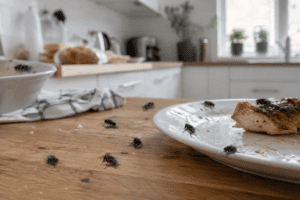
Mice can squeeze through surprisingly small openings, including gaps around plumbing and electrical cables. These are commonly found beneath kitchen sinks, behind appliances and where services enter external walls.
Check accessible pipework and arrange for suitable gaps to be sealed using rodent-resistant materials. Expanding foam alone is not generally a reliable barrier against determined rodents.
3. Don’t Leave Pet Food Out Overnight
A bowl of uneaten pet food can provide an easy meal for mice, rats and ants. This is particularly problematic in utility rooms, conservatories and kitchens where pests may already have access.
Remove leftover food when your pet has finished eating and wash feeding bowls regularly. Store larger bags of dry food in sturdy containers rather than leaving them open.
4. Pay Attention to Your Outdoor Bins
Household bins are a common attraction for rats and flies, especially when food waste is exposed. Loose rubbish bags, damaged bin lids and spillages can provide a regular food source.
Keep bin lids closed, clean up waste that falls onto the ground and avoid allowing rubbish to accumulate beside the bins. If you notice burrows or droppings nearby, investigate rather than simply moving the rubbish elsewhere.
5. Keep Bird Feeding Areas Tidy
Feeding garden birds is popular, but fallen seed can also attract unwanted visitors. Rats and mice may begin visiting feeding areas where food regularly collects beneath feeders.
Use feeders designed to reduce spillage, clear away fallen seed and avoid putting out more food than birds are likely to eat. If rodent activity becomes apparent, temporarily stop feeding while the problem is investigated.
6. Check Your Loft for Signs of Activity
Lofts provide quiet, sheltered spaces where mice, rats and squirrels may go unnoticed. Scratching noises, disturbed insulation, droppings or gnawed materials can indicate that an animal has gained access.
Inspect accessible areas periodically, particularly during autumn and winter. If you suspect squirrels or rodents are already inside, have the problem assessed before sealing potential entrances.
7. Store Dry Foods in Secure Containers
Flour, rice, cereals, pasta and other dry foods can attract rodents and stored-product insects. Some insects may even arrive inside contaminated packaging before the food reaches your kitchen.
Check cupboards occasionally for damaged packets, webbing, unusual insects or fine powdery residue. Discard infested food and clean affected storage areas before replacing supplies.
8. Deal With Leaks and Persistent Damp
Not every pest is attracted to food. Silverfish, woodlice and some cockroaches favour damp environments, making bathrooms, cellars and poorly ventilated spaces more vulnerable.
Repair leaking taps and pipes, investigate persistent condensation and check for water collecting beneath sinks. Improving ventilation can also make these areas less suitable for moisture-loving pests.
9. Inspect Second-Hand Furniture Before Bringing It Inside
Second-hand furniture can occasionally harbour bed bugs, carpet beetles or other insects, particularly in seams, joints and upholstered areas.
Examine items carefully before bringing them indoors. Look for live insects, shed skins, unexplained staining and damage to natural fabrics. Be especially cautious with mattresses and heavily upholstered furniture when their history is unknown.
10. Keep Garden Sheds and Garages Organised
Sheds and garages often contain cardboard boxes, old fabrics, pet food and gardening materials. When these are stored undisturbed, they can provide shelter for rodents and certain insects.
Keep belongings off the floor where practical and avoid piling materials tightly against walls. Check stored items occasionally for gnaw marks, nesting material or droppings.
11. Check Roof Tiles, Vents and External Doors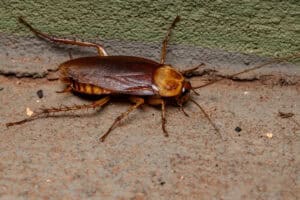
Pests don’t always enter at ground level. Damaged roof tiles, poorly fitted vents and gaps around external doors can provide access to roof spaces and other parts of a building.
Look for obvious damage from a safe position and arrange repairs where necessary. Suitable mesh or guards may help protect some openings, but ventilation must remain effective and any work involving nesting birds or bats must comply with wildlife protection laws.
12. Watch for Wasp Activity Around Your Roof
During spring and summer, wasps may begin establishing nests in roof spaces, wall cavities, sheds and other sheltered locations.
A few wasps visiting flowers is normal, but repeated flights into the same gap beneath roof tiles or around a building may indicate a nearby nest.
Avoid blocking an active entrance or attempting to disturb the nest. Where wasps are creating a risk near doors, windows or regularly used areas, professional assessment is advisable.
13. Keep on Top of Flea Prevention for Pets
Fleas can become established indoors after being introduced by a cat or dog. Once present, eggs and developing stages may be found in carpets, upholstery and areas where pets regularly sleep.
Follow your vet’s advice on suitable flea prevention, wash pet bedding where appropriate and vacuum frequently used resting areas. If an infestation develops, both the animal and the indoor environment may need attention.
14. Don’t Rely on Homemade Pest Repellents
Peppermint oil, vinegar and other household substances are often promoted as simple ways to repel rodents and insects. While some smells may temporarily affect pest behaviour, these remedies are not dependable solutions for an established infestation.
They also do nothing to repair entry points or remove nesting sites. Some essential oils can be harmful to pets, so avoid assuming that natural products are automatically safe.
For lasting prevention, concentrate on identifying what is attracting the pest and how it is entering the property.
15. Recognise When DIY Pest Control Isn’t Working
Finding a single insect doesn’t always mean you have an infestation. However, repeated sightings, fresh rodent droppings, persistent scratching noises or increasing insect activity should not be ignored.
Shop-bought treatments can sometimes help with minor problems, but using the wrong product or applying pesticides unnecessarily may create additional risks. Always follow product instructions and never use outdoor-only pesticides indoors.
If the activity continues, a professional inspection can help establish the species, locate the source and determine the most appropriate treatment.
A Few Small Checks Can Make a Big Difference
You don’t need to inspect every corner of your property each week. Paying attention to areas where pests are most likely to find food, shelter or access can make prevention much more manageable.
Kitchens, utility rooms, lofts, garages and outdoor waste areas are sensible places to start. A quick check while cleaning or carrying out routine maintenance may reveal warning signs that would otherwise go unnoticed.
Pest activity also changes throughout the year. Rodents may become more noticeable around buildings during colder months, while wasps and many insects are more active in warmer weather. Our seasonal pest management guide explains what to watch for as the seasons change.
Need Help With a Pest Problem?
Sometimes pests find their way into a property despite sensible preventative measures. When that happens, identifying the species and understanding how it gained access is important for choosing an effective treatment.
Youngs Pest Control is a family-run business with over 35 years of experience and membership of the National Pest Technicians Association. We provide professional pest control across Greater Manchester, Cheshire and Merseyside.
For advice or professional assistance, call 0161 776 9832 or 07845 815 261.