
How Can We Help?
Seasonal Pest Management: Essential Tips for Every Season
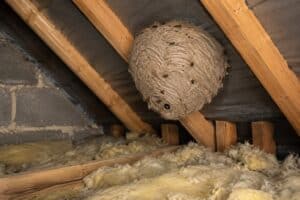 Pest problems can occur throughout the year, but changes in temperature, rainfall and food availability often influence which pests become more noticeable. Ants and wasps are generally more active during warmer months, while rats and mice may seek shelter inside buildings when outdoor conditions become less favourable.
Keeping your property protected doesn’t have to be complicated. Regular maintenance, secure food storage and checking for potential entry points can all help reduce the risk of infestations. At Youngs Pest Control, we have over 35 years of experience helping homeowners and businesses manage pest problems across Greater Manchester, Cheshire and Merseyside.
Tips for Preventing Pests in Spring
As temperatures begin to rise, ants become more active and queen wasps emerge to establish new nests. Spring is also a good opportunity to inspect your property for damage caused by winter weather.
Check around doors, windows and external walls for gaps that could allow pests to enter. Clear standing water from containers and blocked drainage areas, keep vegetation maintained and repair damaged window screens where fitted. It is also worth checking sheds, garages and roof spaces for early signs of wasp activity, particularly where insects repeatedly enter the same opening.
Tips for Preventing Pests in Summer
Summer brings increased activity from wasps, flies and ants, particularly around kitchens, gardens and outdoor eating areas. Warm conditions can also encourage flea development, especially in homes with untreated pets.
Keep food covered when eating outdoors, clean up spills promptly and make sure household bins have properly fitting lids. Regularly clean kitchen surfaces and store dry foods in sealed containers to discourage insects. If you notice wasps repeatedly entering a roof space or wall cavity, avoid disturbing the area and consider professional wasp nest removal where the nest presents a risk.
Autumn Pest Prevention Tips
As the weather becomes cooler and wetter, rats and mice may become more noticeable around homes and outbuildings. Grey squirrels can also investigate loft spaces, particularly where damaged roof tiles or soffits provide access.
Inspect external walls, pipework and garage doors for openings that rodents could use. Clear leaves from gutters, keep garden waste under control and store firewood away from the house where practical. If you hear scratching noises in the loft or discover droppings, arranging professional rodent control can help identify the problem before further damage occurs.
Winter Pest Prevention Tips
Although many insects become less active outdoors during winter, rodents and certain indoor pests remain active throughout the colder months. Heated properties can provide suitable conditions for mice, rats and cockroaches, particularly where food and shelter are readily available.
Check kitchens, cupboards, garages and lofts for droppings, gnaw marks or disturbed materials. Keep food securely stored, repair leaking pipes and maintain suitable ventilation in damp areas. If rodents are already present, professional mice control or rat treatment may be necessary alongside appropriate proofing measures.
Common Seasonal Pests in the UK
Different pests become more noticeable at different times of year, although many remain active throughout the seasons.
| Season | Common Pests |
|---|---|
| Spring (March–May) | Ants, wasps, clothes moths |
| Summer (June–August) | Wasps, flies, ants, fleas |
| Autumn (September–November) | Spiders, rats, mice, squirrels |
| Winter (December–February) | Rats, mice, cockroaches, squirrels |
These patterns are general guides rather than fixed rules. For example, bed bugs can remain active throughout the year inside heated homes, while rats and mice do not disappear during summer.
Seasonal Pest Warning Signs to Watch For
Recognising the early signs of pest activity can help prevent a minor problem from developing into a more serious infestation. Some of the most common warning signs include:
- Scratching or movement noises: Sounds inside walls, ceilings or lofts may indicate rodents or other animals.

- Droppings: Small droppings around cupboards, storage areas or along walls can suggest rodent activity.
- Gnaw marks: Damage to food packaging, timber or electrical cables may indicate rats or mice.
- Repeated insect sightings: Persistent ant trails, cockroach sightings or wasps entering the same opening may suggest an established problem.
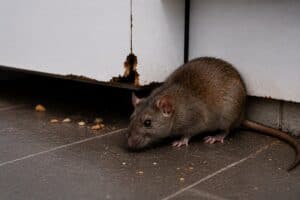
If you notice these signs, identifying the pest and investigating the cause is important before choosing a treatment. For additional advice, see our home pest prevention guide.
Frequently Asked Questions
What season are pests most active in the UK?
Many insects are more active during spring and summer, particularly ants, wasps and flies. However, rodents and several indoor pests remain active throughout the year.
Are rats and mice more common in winter?
Rats and mice are active year-round, but they may become more noticeable indoors during colder or wetter weather when buildings offer shelter.
When does wasp season start?
Queen wasps generally emerge during spring and begin building nests. Activity usually increases throughout summer as colonies develop.
How can I prevent pests throughout the year?
Keep food securely stored, maintain your property, repair suitable entry points and inspect areas such as lofts, garages and kitchens regularly.
Protect Your Property Throughout the Year
Effective pest prevention involves regular maintenance and understanding how pest activity changes with the seasons. Keeping your property clean, checking for structural gaps and dealing with early warning signs can help reduce the likelihood of an infestation.
Youngs Pest Control is a family-run business with over 35 years of experience, providing professional pest control services across Greater Manchester, Cheshire and Merseyside.
As members of the National Pest Technicians Association, we provide targeted pest treatments and practical prevention advice for homes and businesses.
If you’ve noticed signs of pest activity, contact Youngs Pest Control on 0161 776 9832 or 07845 815 261 for professional assistance.