
How Can We Help?
Garage Pest Prevention: How to Keep Pests Out of Your Garage
 Garages are often used for much more than parking cars. They become storage spaces for tools, garden equipment, household belongings and anything that doesn’t have a place inside the house. Unfortunately, these quieter areas can also provide suitable conditions for pests. Rats and mice may enter through gaps beneath garage doors or around pipework, while insects can find shelter among stored boxes and undisturbed materials. Because garages aren’t always used every day, pest activity can go unnoticed until there are obvious signs of a problem.
Effective garage pest prevention involves keeping the space organised, removing potential food sources and checking for openings that pests could use to gain access. At Youngs Pest Control, our family-run business has over 35 years of experience dealing with pest problems in homes and outbuildings. This guide explains how to reduce pest activity in your garage, what warning signs to look for and when professional help may be needed.
Why Do Pests Enter Garages?
Garages can offer several things pests need to survive, including shelter, warmth and access to food or water. Unlike frequently used rooms, garages often contain undisturbed corners, stacked boxes and gaps around doors or walls. These areas can provide convenient hiding places for rodents and insects. Stored bird seed, pet food and household waste may also attract pests. Even when there is no obvious food source, mice may investigate a garage simply because it provides a sheltered route into another part of the property.
Attached garages deserve particular attention because pests may be able to move into the house through gaps around internal doors, pipes or other structural openings. Keeping the garage clean is helpful, but identifying and addressing access points is equally important.
Common Pests Found in UK Garages
Different pests use garages for different reasons. Knowing which species are most likely to enter can help homeowners take suitable preventative measures.
Rats and Mice
Rats and mice are among the more concerning pests found in garages. They may shelter behind stored belongings, beneath shelving or inside wall cavities. Rodents can gnaw through packaging, damage insulation and chew electrical cables, while their droppings and urine can contaminate stored items and surrounding surfaces.
Small gaps beneath doors or around service pipes can provide entry points, particularly for mice. If you notice repeated activity, professional rat or mice control can help identify the source and determine appropriate treatment and proofing measures.
Spiders and Crawling Insects
Spiders are commonly found in garages because these spaces often contain insects they can feed on. Most UK spiders are harmless to people and do not require pest control treatment, although large numbers of webs or frequent insect sightings may indicate that the garage provides suitable conditions for crawling insects.
Beetles, woodlice and other small invertebrates may also enter through gaps around doors or walls. Reducing clutter, managing damp conditions and keeping the garage reasonably clean can help make the space less attractive.
Wasps
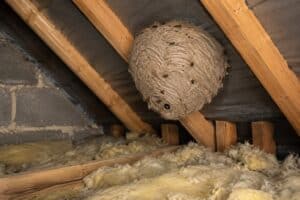
Wasps sometimes establish nests in garages, particularly around roof spaces, wall cavities and sheltered structural features. A nest may go unnoticed until repeated wasp activity becomes apparent near the roofline or a particular opening.
Although wasps are beneficial insects, nests near frequently used doors or work areas can increase the risk of stings. If you discover a nest, avoid disturbing it or blocking the entrance while wasps are active. A professional assessment may be appropriate if the nest poses a safety concern.
Ants and Other Insects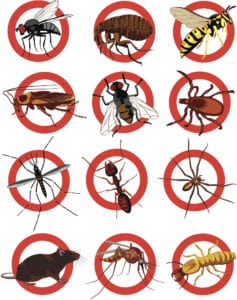
Ants may enter garages through cracks in floors, gaps around doors or openings near external walls. They are often searching for food, although some species may also investigate sheltered spaces.
Flies and other insects can become more noticeable when household waste, food residue or damp organic materials are stored inside. Addressing the source of attraction is generally more effective than repeatedly spraying insects without identifying why they are present.
Grey Squirrels
Grey squirrels occasionally investigate garages and other outbuildings, particularly where roof damage or accessible openings provide entry. They may disturb stored materials or establish nesting areas in concealed roof spaces.
Scratching noises during daylight hours, disturbed insulation or evidence of gnawing may suggest animal activity. If squirrels have entered the building, professional assessment can help establish the extent of the problem and identify suitable control and proofing measures.
10 Practical Ways to Prevent Pests in Your Garage
Garage pest prevention does not require complicated equipment or constant pesticide use. Most preventative measures involve improving storage, maintaining the building and removing conditions that encourage pests.
1. Inspect the Garage Door for Gaps
Garage doors are one of the first places to check when investigating potential pest entry points. Over time, rubber seals can become worn, damaged or uneven, leaving openings beneath the door. These gaps may allow mice and crawling insects to enter.
Inspect the bottom seal and check whether the door closes evenly against the floor. Where necessary, replace damaged seals with suitable garage door weatherstripping. Also examine the sides and upper edges for openings that could provide access. Even a small gap may be enough for a mouse, so don’t overlook areas that appear insignificant.
2. Seal Openings Around Pipes and Walls
Garages often contain electrical cables, water pipes and other services that pass through external walls. Poorly sealed openings around these features can provide routes for rodents, particularly where the garage connects directly to the house.
Inspect accessible pipework, damaged mortar and gaps where different building materials meet. Use suitable pest-resistant materials for proofing, particularly where rodents may be able to gnaw through ordinary filler. Avoid blocking essential ventilation, drainage or electrical components. If pests are already using an opening, establish the extent of the activity before sealing it.
3. Replace Cardboard Boxes With Secure Storage Containers
Cardboard boxes are commonly used for storing Christmas decorations, clothing, paperwork and other household belongings. However, cardboard can deteriorate in damp conditions and may provide nesting material or sheltered spaces for pests.
Where practical, use sturdy plastic storage containers with properly fitting lids. Keep boxes raised on shelving rather than directly against the floor, especially in garages where dampness is a recurring problem. This also makes it easier to inspect the area beneath stored belongings.
4. Store Pet Food and Bird Seed Securely
Pet food, bird seed and other animal feed can attract rodents when stored in garages. Open bags and loosely closed packaging may be accessible to mice, even when they appear to be tucked away.
Transfer suitable products into robust containers with secure lids and clean up any spilled food promptly. Avoid leaving pet feeding bowls or food scraps inside the garage overnight. Removing these food sources can make a considerable difference when trying to discourage rodent activity.
5. Keep the Garage Clean and Organised
Garages can gradually become cluttered with unused equipment, packaging and materials that are rarely moved. These undisturbed areas provide places for pests to hide and make it more difficult to notice early signs of activity.
Sweep floors regularly, remove unnecessary rubbish and keep accessible areas around walls and doors clear. Pay particular attention to spaces behind shelving, beneath workbenches and around stored garden equipment. You don’t need an empty garage to prevent pests. The aim is to make the space easier to inspect and less suitable for nesting.
6. Repair Leaks and Manage Moisture
Damp conditions can encourage certain insects and create problems for stored belongings. Check for leaking pipes, water entering beneath garage doors and condensation forming around poorly ventilated areas.
Repair any obvious leaks and investigate persistent damp patches. Where appropriate, improve ventilation or use a suitable dehumidifier to manage excess moisture. Avoid blocking existing air vents, as these may be important for the building’s ventilation and safety.
7. Maintain the Area Outside Your Garage
Pest prevention should not stop at the garage door. Overgrown vegetation, accumulated garden waste and poorly maintained bin storage areas can provide shelter or food for rodents.
Keep vegetation around garage walls reasonably maintained and avoid stacking unnecessary materials directly against the building. Check nearby drains, bins and stored equipment for signs of pest activity.
For additional advice on maintaining the surrounding area, see our outdoor pest prevention guide.
8. Inspect Shelving and Stored Materials
Pests can remain hidden behind shelves and inside stored materials for long periods. Occasionally move accessible items to check for droppings, gnaw marks, damaged packaging or nesting debris.
Look carefully around corners, wall edges and places where stored items have remained undisturbed. If you discover suspected rodent droppings, avoid sweeping or vacuuming them while dry, as this may spread contaminated dust. Use appropriate cleaning precautions and seek professional advice where contamination is extensive.
9. Avoid Relying on Ultrasonic Repellents
Ultrasonic pest repellers are frequently advertised as an easy way to keep rodents and insects out of garages. However, there is limited reliable evidence that these devices provide effective long-term protection against infestations.
Similarly, peppermint oil and other strong-smelling household remedies should not be relied upon to prevent rodents from entering a building. Some essential oils can also be harmful to pets when used incorrectly. Suitable proofing, secure food storage, and removing shelter are more dependable preventative measures.
10. Check Your Garage Regularly for Pest Activity
One of the simplest ways to prevent a small problem from becoming more serious is to inspect your garage regularly. Look for new droppings, damaged packaging, unusual smells, gnaw marks, or disturbed materials.
Pay attention to scratching noises, particularly when they appear to come from behind walls or above ceilings. Repeated wasp activity around a particular roof opening may also indicate a nearby nest. If you notice something unusual, try to identify the cause rather than immediately applying a general pest control spray. Correct identification is important because different pests require different approaches.
Early Signs of a Pest Infestation in Your Garage
Pest activity is not always immediately obvious, particularly when garages contain large amounts of stored equipment. Knowing what to look for can help you recognise a developing problem before it causes further damage.
Droppings Around Walls and Storage Areas
Rodent droppings are often found along established routes, beneath shelving or behind stored belongings. Their size and appearance may suggest the species involved, although identification should not rely on droppings alone.
Gnaw Marks and Damaged Packaging
Mice and rats may chew through food packaging, cardboard and other materials. Damage to cables or electrical fittings is particularly concerning because it may create a fire risk. If you suspect electrical damage, arrange for a qualified electrician to inspect the affected installation.
Scratching or Movement Noises
Scratching sounds inside walls, ceilings or stored materials may indicate rodents or other animals. Mice and rats are commonly active at night, while squirrels are generally more active during daylight. However, noises alone cannot confirm which animal is present.
Nesting Materials and Unusual Smells
Shredded paper, disturbed insulation and gathered soft materials may indicate nesting activity. Persistent musty or unpleasant odours can also accompany some infestations, particularly in enclosed spaces. If these signs appear together, further investigation is advisable.
Can Pests Move From Your Garage Into Your Home?
 Yes. This is particularly relevant for garages attached to houses. Rodents may exploit gaps around internal pipework, damaged walls or poorly sealed connecting doors. Insects can also move between connected spaces when suitable openings are present.
Keeping the door between your garage and home properly maintained can help reduce access. Any seals or alterations must preserve required fire safety protection and ventilation arrangements. If pests are already active in an attached garage, it is worth checking nearby internal areas for additional evidence.
For wider household prevention advice, read our home pest prevention guide.
Should You Use Pesticides in Your Garage?
Routine spraying is not usually the best starting point for garage pest prevention. Before using any treatment, identify the pest and investigate what is attracting it. In some cases, cleaning, repairing gaps or removing food sources may resolve the conditions encouraging activity without the need for pesticides.
Where pesticide treatment is necessary, only use products authorised for the intended pest and location, following the label instructions carefully. Extra caution is required in garages containing fuel, chemicals, electrical equipment or items used by children and pets.
For established infestations, professional assessment can help determine whether treatment is needed and which approach is appropriate. The National Pest Technicians Association also provides information about professional pest management in the UK.
When Should You Contact Professional Pest Control?
Not every insect or occasional pest sighting requires professional treatment. However, repeated rodent activity, persistent droppings, damaged stored belongings or evidence of pests entering the house should not be ignored. Professional assistance may also be necessary if you discover a wasp nest in a frequently used garage or suspect animals are nesting within inaccessible roof spaces.
At Youngs Pest Control, our approach begins with an inspection to identify the pest, assess the affected areas and investigate possible entry points. Where treatment is necessary, we recommend an appropriate method based on the species and extent of the problem. We also provide practical advice on proofing, storage and maintenance to help reduce the likelihood of future activity.
Frequently Asked Questions
What is the best way to keep mice out of a garage?
Inspect garage door seals, repair suitable entry points and store food or bird seed in secure containers. Keeping storage areas organised also makes it easier to identify early signs of activity.
Can rats get underneath a garage door?
Yes. Rats may enter through damaged or poorly fitting garage door seals, particularly where there is enough space beneath the door. Suitable repairs and proofing can help reduce access.
Does peppermint oil keep mice out of garages?
Peppermint oil is not a reliable long-term method of preventing mice. Physical proofing and removing accessible food sources are generally more effective.
Are spiders in the garage a sign of an infestation?
Not necessarily. Spiders are common in garages and often feed on other insects. Their presence alone does not mean pest control treatment is required.
Should I use poison to prevent rodents in my garage?
Rodenticides should not be used routinely as a preventative measure. They carry risks to people, pets and wildlife and must only be used in accordance with their authorisation and label instructions. Professional advice is recommended for established rodent activity.
How often should I inspect my garage for pests?
A quick check every few weeks is useful, particularly in garages containing food, animal feed or large amounts of stored materials. Additional checks are worthwhile when you notice unusual activity.
Can pests spread from an attached garage into the house?
Yes. Rodents and insects may move through gaps around connecting doors, pipes or structural openings. Maintaining these areas can help reduce the risk.
When should I call a professional pest controller?
Seek professional advice if you notice repeated rodent sightings, fresh droppings, unexplained damage or persistent activity that continues despite preventative measures.
Keep Your Garage Protected Against Pests
A garage does not have to be perfectly tidy to discourage pests, but regular maintenance can make a significant difference. Checking door seals, storing food securely, repairing suitable entry points and keeping clutter under control can all help reduce the conditions that attract rodents and insects.
It is equally important to recognise when a problem is developing. Early identification can help prevent pests from damaging stored belongings or gaining access to other parts of your property.
Youngs Pest Control provides professional pest control services across Greater Manchester, Cheshire and Merseyside.
Our family-run business has over 35 years of experience helping homeowners and businesses deal with pest problems, providing suitable treatments and practical prevention advice.
If you’ve noticed signs of pests in your garage, contact Youngs Pest Control on 0161 776 9832 or 07845 815 261 for professional assistance.