
How Can We Help?
Outdoor Pest Prevention: 10 Ways to Protect Your Garden
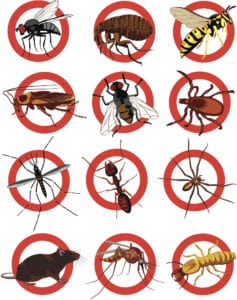 Spending time in the garden should be enjoyable, whether you’re having a barbecue, relaxing on the patio or simply looking after your plants. Unfortunately, outdoor spaces can also attract unwanted pests, particularly when food, water and suitable shelter are readily available.
Rats may investigate overflowing bins or food left beneath bird feeders, while wasps can become a nuisance around outdoor dining areas during warmer months. Other pests, including moles and grey squirrels, may cause damage to lawns, plants and garden structures. Not every insect or animal visiting your garden is a problem. Many play an important role in the local environment. The aim of outdoor pest prevention is to reduce the conditions that encourage harmful or troublesome pests without unnecessarily disturbing beneficial wildlife.
At Youngs Pest Control, our family-run business has over 35 years of experience helping homeowners manage pest problems. This guide covers ten practical ways to reduce pest activity around your garden, patio and outdoor buildings.
What Pests Are Commonly Found in UK Gardens?
Gardens naturally attract wildlife, but certain species can become problematic when they find reliable food sources, suitable nesting areas or access to buildings.
Rats and Mice
Rats and mice may visit gardens in search of food and shelter. Bird seed, fallen fruit, compost and poorly secured household waste can all provide opportunities for feeding. Overgrown vegetation, stacked materials and spaces beneath sheds may offer concealed areas where rodents can move or shelter. Although seeing a rodent outdoors does not always mean there is an infestation, repeated sightings, burrows or droppings around buildings should be investigated.
If activity continues, professional rat control can help identify the source of the problem and determine suitable control measures.
Wasps
Wasps are a normal part of the outdoor environment and can help control other insects. However, they may become troublesome when nesting close to frequently used areas. Nests can develop in roof spaces, sheds, wall cavities and underground locations. During late summer, worker wasps may also become more noticeable around sugary drinks and outdoor food. A few wasps visiting the garden are not necessarily a cause for concern. However, repeated activity around a particular opening may indicate a nearby nest.
If a nest presents a risk to people using the garden, professional wasp nest removal may be appropriate.
Moles
Moles spend most of their lives underground, feeding primarily on earthworms and other soil invertebrates. Their tunnelling can produce molehills and raised areas of soil, particularly across lawns and landscaped gardens. Although moles do not normally feed on plant roots, their digging can disturb grass and occasionally damage delicate root systems.
Where mole activity causes significant disruption, professional mole control may be considered.
Grey Squirrels
Grey squirrels are common visitors to UK gardens, particularly where mature trees, bird feeders and suitable food sources are present. They may dig in lawns, disturb planted bulbs or damage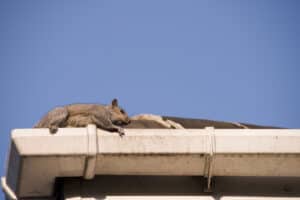 bird feeders. More serious problems can occur when squirrels gain access to lofts and roof spaces. Overhanging branches and damaged roof features can make certain properties easier for squirrels to investigate.
If squirrels are entering your home or damaging the building, professional grey squirrel control can help establish the extent of the problem.
Flies, Ants and Other Insects
Flies are often attracted to exposed food, household waste and decaying organic material. Ants may establish trails around patios or enter buildings while searching for food. Slugs and snails can damage garden plants, particularly during damp conditions.
However, insects such as bees, butterflies and many beetles are valuable parts of the garden ecosystem. Their presence should not automatically be treated as a pest problem.
Why Do Pests Visit Gardens?
Most outdoor pest activity can be linked to three basic requirements: food, water and shelter. Gardens provide these resources in different ways. Bird feeders and pet food can attract rodents, while leaking taps and containers holding rainwater may support certain insects. Dense vegetation, stored materials and undisturbed areas beneath decking or sheds can provide sheltered spaces. Seasonal conditions also influence activity. Wasps are generally more noticeable during warmer months, while wet weather can increase slug and snail activity.
Understanding what attracts a particular pest is often more useful than attempting to repel every animal or insect that enters the garden.
10 Practical Outdoor Pest Prevention Tips
You do not need to completely redesign your garden to reduce pest activity. Small changes to everyday maintenance can make outdoor spaces less attractive to unwanted visitors.
1. Keep Outdoor Bins Secure
Household waste is one of the most accessible food sources for rodents and certain insects. Make sure outdoor bins have properly fitting lids and avoid leaving rubbish bags exposed. Clean up spilled waste promptly, particularly around bin storage areas. Food residue can remain inside bins even after they have been emptied, so occasional cleaning is worthwhile.
Where practical, avoid placing overflowing bins directly beside doors, air bricks or other vulnerable openings.
2. Manage Bird Feeders Carefully
Feeding garden birds can be enjoyable, but spilled seed may also attract rats and mice. Choose feeders designed to reduce waste and avoid putting out more food than birds are likely to consume. Clear fallen seed regularly and inspect the ground beneath feeding stations for signs of rodent activity.
If rats begin visiting the area, temporarily removing the food source may help while the underlying problem is investigated.
3. Remove Unnecessary Standing Water
Water collecting in buckets, plant saucers, blocked gutters and unused containers can encourage certain insects, including mosquitoes. Empty containers that are not needed and keep gutters clear so rainwater can drain properly. Check outdoor taps and hose connections for leaks, particularly where water repeatedly collects against walls or beneath decking.
There is no need to remove a healthy garden pond. Ponds support valuable wildlife, and suitable maintenance can help maintain a balanced environment.
4. Keep Grass and Vegetation Maintained
Long grass, dense vegetation and accumulated garden waste can provide shelter for rodents and other animals. Regularly maintain areas close to the house, particularly around sheds, garages and external walls. Remove unnecessary clutter and avoid allowing vegetation to completely conceal potential entry points.
This does not mean every part of the garden must be closely cut. Wildlife-friendly planting can be retained while keeping vulnerable building edges accessible for inspection.
5. Check Sheds, Garages and Outbuildings
Garden buildings can provide shelter for rodents, particularly when they contain stored food, bird seed or undisturbed materials.
Inspect accessible areas for droppings, gnaw marks and evidence of nesting. Check around doors, floors and pipework for openings that could allow pests to enter. Store animal feed, grass seed and other attractive materials in secure containers. Where appropriate, seal access points using suitable pest-resistant materials without obstructing essential ventilation.
6. Store Firewood and Garden Materials Properly
Firewood, timber and building materials can create sheltered spaces when stacked directly on the ground or against external walls. Store firewood in a dry, ventilated location, preferably raised off the ground and away from the house where practical.
Avoid allowing unused materials to accumulate beneath decking or behind sheds. Check stored wood occasionally for signs of insect activity, particularly before bringing it indoors.
7. Keep Outdoor Dining Areas Clean
Barbecues and garden gatherings can attract wasps, flies and ants, particularly when food and sugary drinks are left exposed. Cover food when it is not being served and clear plates, spills and leftovers once everyone has finished eating. Clean barbecue equipment after use, including grease trays and surrounding surfaces. Keep drinks covered where possible, especially during periods of increased wasp activity.
If wasps are repeatedly gathering around a particular part of the garden, check from a safe distance for signs of a nearby nest rather than attempting to disturb it.
8. Trim Branches Near Your Roof
Overhanging branches can provide routes for squirrels to investigate roofs, gutters and other elevated parts of a building. Where appropriate, maintain a reasonable gap between tree branches and vulnerable roof features. Inspect accessible roof edges, fascia boards and soffits for damage that could allow animals to enter. Tree work should be carried out safely, with consideration for protected wildlife and active bird nests.
Remember that trimming branches alone will not prevent every squirrel problem. Squirrels are capable climbers and may still reach buildings using other routes.
9. Inspect External Walls and Entry Points
Outdoor pest prevention also involves protecting the building itself. Check for gaps around pipes, damaged mortar, poorly fitting doors and broken air bricks. Rodents can exploit surprisingly small openings, particularly where food or shelter is available inside.
Suitable proofing can help reduce access, but materials must be appropriate for the location. Never block ventilation openings, drainage routes or essential services. If you suspect rodents are already inside the building, establish the extent of the activity before sealing possible entrances.
10. Check Your Garden for Early Warning Signs
Regularly walking around your garden can help you notice changes before a pest problem becomes established. Look for burrows near sheds, repeated rodent sightings, disturbed waste, unusual droppings or consistent wasp activity around a particular opening. Fresh molehills may indicate underground activity, while gnaw marks or disturbed insulation around roof spaces can suggest other animals are present.
Avoid handling unknown droppings or disturbing suspected nests. If the evidence is unclear, a professional inspection can help identify the species involved and determine whether treatment is necessary.
Do Natural Outdoor Pest Repellents Work?
Natural pest repellents are frequently recommended for gardens, particularly plants such as lavender, mint and marigolds. Although these plants can be attractive additions to outdoor spaces, there is limited reliable evidence that simply growing them will prevent infestations of mosquitoes, ants or rodents. Similarly, homemade sprays containing vinegar, citrus peels or essential oils are unlikely to provide dependable long-term pest control.
Some essential oils can also be harmful to pets, while inappropriate sprays may damage plants or affect beneficial insects. Diatomaceous earth is sometimes used against crawling insects, but it should not be scattered indiscriminately around gardens. Dust can cause respiratory irritation, and products should only be used according to their authorised purpose and label instructions.
For most outdoor spaces, practical measures such as managing waste, removing unnecessary food sources and maintaining vulnerable areas are more reliable than relying on homemade repellents. For further information about professional pest management, the National Pest Technicians Association provides industry information and guidance.
How to Prevent Pests Without Harming Garden Wildlife
Not every animal visiting your garden needs to be removed.Bees and other pollinators support flowering plants, while many birds and predatory insects help regulate populations of other species. The aim should be to manage genuine pest problems while avoiding unnecessary harm to wildlife. For example, reducing spilled bird seed may discourage rats without preventing birds from visiting the garden altogether.
Similarly, keeping food covered during outdoor meals can reduce unwanted insect attention without requiring widespread pesticide use. If you discover an occupied bird nest, avoid disturbing it. Wild birds, their eggs and active nests are protected under UK wildlife legislation, subject to specific legal provisions. Professional advice is particularly important when protected species or sensitive nesting situations may be involved.
When Is Professional Outdoor Pest Control Necessary?
Not every outdoor pest sighting requires treatment. A squirrel crossing a fence, a wasp visiting flowers or an occasional mouse passing through the garden does not automatically indicate an infestation. However, repeated activity around buildings, visible rodent burrows, persistent wasp traffic near a nest or ongoing damage to garden structures may require closer investigation. At Youngs Pest Control, our approach begins with identifying the pest and assessing the affected area.
Where treatment is necessary, the appropriate method depends on the species, the extent of activity and the surrounding environment. We also provide practical advice on food sources, shelter and access points that may be contributing to the problem. This helps homeowners understand why pests are visiting their property and what can be done to reduce future activity.
Frequently Asked Questions About Outdoor Pest Prevention
What is the best way to keep pests out of my garden?
Remove accessible food sources, keep bins secure, maintain vegetation and check sheds and external walls for potential entry points. The most effective approach depends on which pest is causing the problem.
What attracts rats into gardens?
Rats may be attracted by bird seed, pet food, fallen fruit, compost containing food waste and poorly secured bins. Dense vegetation and spaces beneath sheds can also provide shelter.
How can I stop wasps gathering around my patio?
Keep food and sugary drinks covered, clean spills promptly and avoid leaving waste exposed. If wasps repeatedly fly towards the same opening, a nearby nest may need professional assessment.
Do pest-repellent plants actually work?
Some plants contain compounds that can affect insects, but growing lavender, mint or marigolds is not a reliable way to prevent infestations. Garden maintenance and removing attractants are generally more useful.
Should I remove every insect from my garden?
No. Many insects are beneficial and play important roles in pollination and natural pest regulation. Control should focus on species causing genuine problems rather than eliminating insects indiscriminately.
Can outdoor pests eventually enter my home?
Yes. Rats, mice and squirrels may investigate buildings for food or shelter. Maintaining external walls, roof features and suitable entry-point proofing can help reduce access.
When should I contact a pest control professional?
Seek advice if you notice repeated rodent activity, a wasp nest near frequently used areas, persistent damage or signs of pests entering your home.
Enjoy Your Garden With Fewer Pest Problems
Outdoor pest prevention is not about keeping every insect or animal away from your garden. It is about reducing the conditions that allow troublesome pests to become established.
Keeping bins secure, managing bird feeders, maintaining vegetation and checking vulnerable areas around your property can all make a difference.
Regular inspections are equally important, particularly when you notice repeated activity around sheds, patios or external walls.
If you are dealing with an outdoor pest problem, Youngs Pest Control provides professional services across Greater Manchester, Cheshire and Merseyside.
Our family-run business has over 35 years of experience helping homeowners and businesses manage pest activity, with practical advice on treatment and prevention.
For professional pest control advice, call Youngs Pest Control on 0161 776 9832 or 07845 815 261.