
Safeguarding Your Home Against Pests: Effective Pest Prevention Strategies
Pests can quickly turn any home into a nightmare, damaging property and risking your family’s health. From rodents and insects to birds and other wildlife, these unwelcome guests can create uncomfortable living conditions. However, with the right steps, you can prevent pests from entering your home and keep it pest-free. 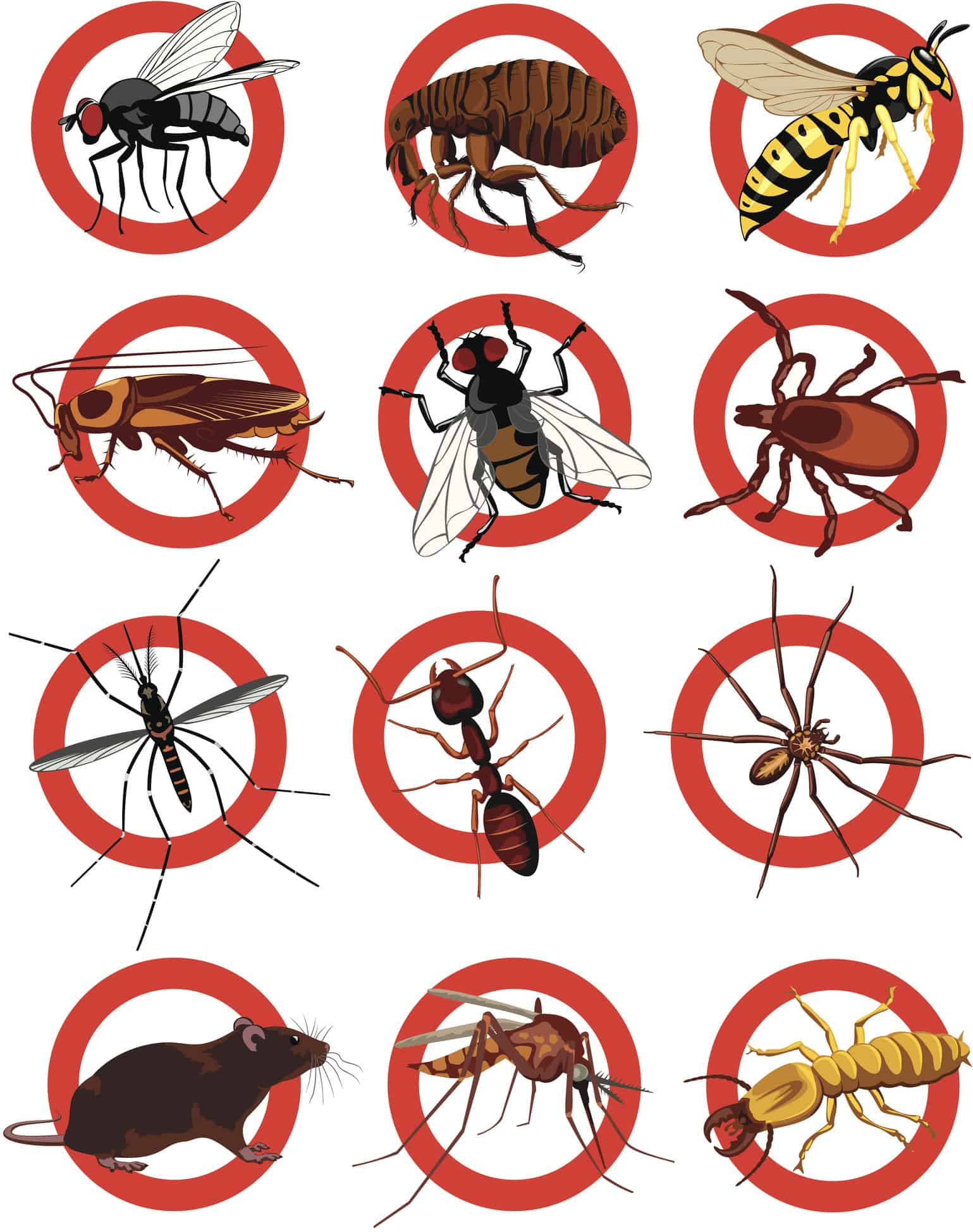 This guide outlines effective strategies to protect your home against pests.
Why Pest Prevention is Crucial
When it comes to pests, prevention is always better than dealing with an infestation. Once pests gain entry, removing them can be difficult and expensive. Pests not only damage your property but also carry harmful diseases that can affect your family’s health.
Taking proactive steps can safeguard your home and protect your loved ones. Prevention measures not only keep pests out but also ensure the well-being of your home’s occupants.
Common Household Pests
Understanding the most common pests that could invade your home is essential for tackling them effectively:
- Rodents: Mice, rats, squirrels
- Insects: Bed bugs, cockroaches, silverfish, ants, fleas, carpet beetles, wasps
Effective Sanitation Practices
Good sanitation is key to keeping your home pest-free. Regularly cleaning your home to remove food and water sources can significantly reduce the chances of an infestation. Proper waste management, safe food storage, and prevention of contamination are also critical in keeping pests at bay.
The Role of Regular Cleaning
Maintaining a clean home is one of the most effective ways to deter pests. Here are some key practices:
- Remove food and water sources that attract pests by wiping down counters, sealing trash, and fixing leaks promptly.
- Ensure proper waste management and regular rubbish disposal to eliminate pest-hiding spots.
- Store food in airtight containers to prevent access by ants, cockroaches, and rodents.
Safe Food Storage
Storing food properly is crucial in preventing pests from accessing easy meals. This includes keeping food in sealed containers and cleaning up spills immediately. Proper disposal of food waste also minimizes the likelihood of attracting pests.
Home Maintenance and Inspections
Conducting routine inspections and maintenance is essential for identifying and sealing potential pest entry points.
Identifying Entry Points
Regularly check your home for gaps, cracks, or openings that pests could exploit. Common areas to inspect include windows, doors, pipes, and vents. Fixing these vulnerabilities early on can prevent pests from entering your home.
The Importance of Sealing Gaps
Small openings, even the size of a pencil, can provide entry for pests. To keep them out, regularly inspect and seal gaps in walls, floors, and foundations. Ensuring these areas are well-maintained reduces the risk of infestations.
Utility Line Inspections
Utility lines such as plumbing and electrical wiring are common pathways for pests to enter. Inspect these areas for any potential openings and seal them to prevent access.
Cleanliness and Pest Prevention
Keeping a tidy kitchen and pantry is vital for pest prevention. Ensure surfaces and appliances are cleaned regularly and food is stored securely. This reduces the chances of attracting pests looking for food.
Natural Pest Repellents: Advantages and Disadvantages
Natural repellents offer a chemical-free alternative to deter pests. While they are safer for homes with children and pets, their effectiveness can vary.
Below are some common natural solutions:
Essential Oils
- Pros: Eco-friendly, pleasant scent, safe for households with kids and pets.
- Cons: Requires frequent reapplication and may not work for all pests.
Vinegar and Soap Solutions
- Pros: Safe around food, affordable, non-toxic.
- Cons: Needs frequent reapplication and may not work on all pests.
Diatomaceous Earth
- Pros: Effective against many pests, long-lasting, safe for children and pets.
- Cons: It can cause respiratory irritation if inhaled, and it is messy to apply.
Conclusion
Preventing pest infestations requires a mix of proactive strategies and, when necessary, professional assistance. You can maintain a pest-free home throughout the year by implementing these methods and staying vigilant for signs of pests. Adjust your approach as the seasons change, and don’t hesitate to consult pest control experts when needed. Taking action now will help create a safer, healthier home environment free from pests.
Protect Your Home – Contact Youngs Pest Control Today!
If you have concerns about pests, contact Youngs Pest Control. Our expert team offers customized pest control solutions tailored to your home’s needs. Reach us at rick@youngspestcontrol.co.uk or call 0161 776 9832 for assistance in creating a pest-free environment.