
How Can We Help?
The Importance of Pest Prevention in Schools
Schools need to provide a clean, safe and comfortable environment for pupils, teachers and other staff. Unfortunately, rats, mice, cockroaches, wasps and other pests can sometimes find their way into classrooms, kitchens, storage areas and outdoor spaces, creating hygiene concerns and disrupting daily activities.
Pest infestations can lead to contaminated food, damaged property and potential health risks, particularly where children are involved. Taking preventative action is therefore important, rather than waiting until pest activity becomes a serious problem.
At Youngs Pest Control, our family-run business has over 35 years of experience in pest management. This guide explains the common pests that affect educational premises and how schools can reduce the risk of infestations through regular inspections, good hygiene and appropriate pest control measures.
Why Is Pest Prevention Important in Schools?
Pests can affect several areas of a school, from classrooms and dining halls to playgrounds and storage buildings. Rodents may contaminate food supplies and damage electrical cables, while cockroaches and flies can create hygiene problems around kitchens and food preparation areas.
An infestation can also cause disruption when affected areas require cleaning, treatment or temporary restrictions. In schools, where large numbers of children and staff use the same facilities every day, identifying pest problems early is particularly important.
Effective prevention helps protect pupils and employees, maintain hygiene standards and reduce the likelihood of costly damage or disruption.
Common Pests Found in Schools
Different pests present different risks depending on the location, building condition and surrounding environment.
- Rats and mice may enter through damaged doors, gaps around pipework or openings in external walls. They are often attracted to food waste and can shelter in kitchens, storage rooms and concealed building spaces. Professional rat control or mice control may be necessary where activity is established.
- Cockroaches and ants can become problematic in school kitchens, dining areas and food storage rooms. Cockroaches are particularly concerning because they can contaminate surfaces and food-handling areas.
- Wasps may establish nests around roof spaces, sheds and outdoor structures. Nests near playgrounds, entrances or frequently used areas can present a sting risk, making professional assessment important.
- Birds, particularly pigeons, may cause problems where droppings accumulate around entrances, windowsills and outdoor seating areas. Any bird control work must comply with UK wildlife protection legislation.
- Bed bugs can occasionally be introduced through bags, clothing or belongings, although schools are not typical breeding environments. Suspected sightings should be properly identified before treatment decisions are made.
Integrated Pest Management in Schools
Integrated Pest Management (IPM) is a prevention-focused approach that combines inspections, monitoring, good housekeeping and targeted treatment when necessary. It aims to address the conditions that allow pests to enter and survive rather than relying entirely on pesticides.
This approach is particularly suitable for schools because treatments must be planned carefully around children, staff and daily activities. Identifying entry points, removing accessible food sources and monitoring vulnerable areas can help reduce the need for chemical treatments.
Where pesticides are necessary, appropriate authorised products and safety precautions should be used. Treatments may need to be scheduled outside school hours, depending on the method and areas affected.
Practical Ways to Prevent Pests in Schools
Carry Out Regular Inspections
Routine inspections can help identify pest activity before an infestation becomes established. Schools should check kitchens, dining halls, storage rooms, bin areas and accessible building exteriors for droppings, damaged packaging, insect activity and potential entry points.
Outdoor areas should also be checked for signs of wasp nests, particularly during spring and summer. Staff should report unusual activity promptly so that appropriate action can be taken.
Maintain Good Cleaning and Hygiene Standards
Food residue and accumulated waste can attract rodents, flies and cockroaches. Kitchens, dining areas and classrooms where food is consumed should be cleaned regularly, with spills and crumbs removed promptly.
Food supplies should be stored in suitable sealed containers, while storage rooms should remain organised and accessible for inspections. Cleaning behind equipment and beneath shelving is particularly important because these areas can provide concealed harbourage for pests.
Manage Waste Properly
School bins and external waste storage areas can attract pests when food waste is left exposed. Use bins with properly fitting lids, arrange regular collections and keep surrounding areas clean.
Waste storage locations should be maintained to prevent spillages and unnecessary accumulation. Where possible, bins should be positioned away from vulnerable entrances and inspected for signs of rodent activity.
Seal Potential Pest Entry Points
Damaged door seals, gaps around pipes and deteriorating building materials can provide opportunities for rodents and insects to enter. Regular building maintenance should include checking these areas and arranging suitable repairs.
Door brushes, appropriate proofing materials and pest-resistant ventilation guards can help reduce access. However, essential ventilation, drainage and fire safety arrangements must not be compromised.
Educate Staff About Pest Warning Signs
Teachers, kitchen employees, cleaners and maintenance staff may be the first to notice pest activity. Basic awareness training can help them recognise droppings, gnaw marks, unusual insects and repeated animal activity around the building.
A clear reporting procedure ensures that concerns reach the appropriate person quickly. Recording sightings and corrective actions can also help identify recurring problems.
Health and Safety Risks Associated With School Pests
Pest infestations can create hygiene and safety concerns, particularly in areas where food is prepared or children spend significant amounts of time.
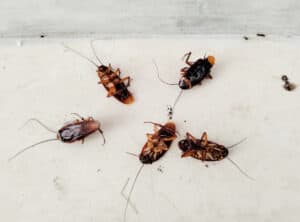
Rodents may contaminate surfaces with droppings and urine, while cockroach droppings and shed skins can contribute to allergic reactions and asthma symptoms in susceptible individuals. Wasps can cause painful stings and, in some cases, serious allergic reactions.
Rodents may also damage electrical wiring, creating additional safety concerns. If cables have been affected, they should be inspected by a qualified electrician. Pest prevention should therefore form part of a school’s wider cleaning, maintenance and health and safety arrangements.
Professional Pest Control for Schools
Some pest problems can be reduced through improved cleaning and building maintenance, but established infestations may require professional treatment. Schools should act promptly when rodents, cockroaches or other potentially harmful pests are discovered.
At Youngs Pest Control, we begin by identifying the pest and inspecting the affected areas. Where treatment is required, we recommend a suitable approach based on the species, extent of activity and safety considerations within the premises.
We also provide advice on pest proofing, hygiene and preventative maintenance to help reduce the likelihood of future infestations.
For further information about professional pest management, visit the National Pest Technicians Association.
Frequently Asked Questions
What pests are most common in schools?
Rats, mice, ants, flies, cockroaches and wasps are among the pests that may affect schools. The risks depend on building condition, food storage and surrounding areas.
How can schools prevent rodent infestations?
Keep food securely stored, maintain waste areas, repair suitable entry points and inspect kitchens and storage rooms regularly.
Can pest control treatments be carried out during school holidays?
Yes. School holidays and other periods when premises are unoccupied may provide suitable opportunities for certain inspections and treatments, depending on the pest and method required.
Are pest control treatments safe around children?
Professional treatments should be selected and carried out with appropriate precautions for the school environment. Some methods may require restricting access to treated areas until it is safe to return.
How often should schools have pest inspections?
Inspection frequency should reflect the school’s size, building condition, previous pest activity and level of risk. Premises with recurring problems may require more frequent monitoring.
Protecting Schools Against Pest Infestations
Effective pest prevention in schools requires regular inspections, good hygiene, suitable building maintenance and prompt action when warning signs appear. These measures help protect pupils and staff while reducing the risk of contamination, property damage and disruption.
Youngs Pest Control provides professional pest management services for schools and other educational premises across Greater Manchester, Cheshire and Merseyside.
With over 35 years of experience, our family-run business provides targeted treatments and practical prevention advice to help educational premises manage pest problems.
If your school has noticed signs of pest activity, contact Youngs Pest Control on 0161 776 9832 or 07845 815 261 for professional assistance.