
How Can We Help?
Retail Pest Prevention: What Every Store Owner Should Know
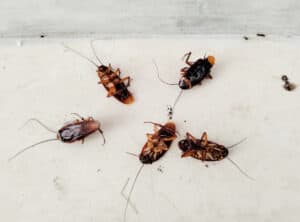
Keeping pests out of a retail business is important for protecting stock, maintaining hygiene and providing customers with a clean shopping environment. Rats, mice, cockroaches and other pests can cause damage behind the scenes, particularly in stockrooms, storage areas and places where food or waste is handled.
An infestation can also affect a business’s reputation, lead to contaminated or damaged products and create additional costs through cleaning, treatment and lost stock. For shops selling food, pest activity may also raise serious food safety concerns.
At Youngs Pest Control, our family-run business has over 35 years of experience in pest management. This guide explains the common pests found in retail premises and the practical steps store owners can take to reduce the risk of infestations.
Common Pests Found in Retail Stores
Different retail businesses face different pest risks depending on the products they sell, how goods are stored and the condition of the building.
Rats and mice can enter through gaps around doors, walls and delivery areas. They may damage packaging, contaminate stock with droppings and urine, and gnaw electrical cables. Even a small amount of rodent activity can be particularly concerning for food retailers.
Cockroaches are more likely to become established where warmth, moisture and food sources are available. They can hide behind equipment, inside service voids and around staff kitchens or storage areas, creating hygiene concerns for the business.
Flies and ants may be attracted to food waste, spills and poorly maintained bin areas. Shops selling food and drinks may be particularly vulnerable, especially during warmer weather.
Stored-product insects, including certain beetles and moths, can infest dried foods and other susceptible goods. Clothing and textile retailers may also encounter clothes moths or carpet beetles, which can damage vulnerable fabrics.
Birds can occasionally create problems around entrances, loading bays and external structures, particularly where droppings accumulate. Any bird control measures must comply with relevant wildlife protection laws.
Practical Retail Pest Prevention Measures
Preventing pests in a shop requires regular inspections, good housekeeping and appropriate building maintenance. Small problems can develop unnoticed when stockrooms are crowded or deliveries are not checked carefully.
Inspect Incoming Deliveries
Pests can sometimes be introduced through deliveries, particularly where products have been stored in affected warehouses or transported in damaged packaging. Check incoming goods for droppings, insects, damaged cartons and other unusual signs before placing them into storage.
Any suspicious stock should be isolated and investigated rather than immediately placed alongside unaffected products.
Keep Stockrooms Clean and Organised
Cluttered stockrooms provide hiding places for rodents and insects while making pest activity harder to detect. Keep stock raised off the floor where practical, maintain accessible inspection spaces and avoid leaving damaged packaging or unnecessary cardboard accumulating.
Regular stock rotation also helps prevent products from remaining undisturbed for extended periods. This is particularly important for food retailers handling dried goods and other susceptible products.
Seal Potential Entry Points
Inspect external doors, delivery entrances, pipework and accessible wall openings for gaps that pests could use. Damaged door seals and poorly fitting shutters can provide opportunities for rodents to enter, especially around loading areas.
Suitable proofing materials, door brushes and pest-resistant vent guards can help reduce access without interfering with essential ventilation or fire safety requirements.
Manage Waste Properly
Overflowing bins and food waste can attract rats, mice and insects. Use suitable bins with secure lids, arrange regular waste collections and keep external storage areas clean.
Staff should also clean food spills promptly and avoid leaving food waste in stockrooms or staff areas overnight. Good waste management is particularly important for convenience stores, supermarkets and other food retailers.
Train Employees to Recognise Pest Activity
Employees are often the first to notice signs of a problem. Staff should know how to recognise rodent droppings, gnaw marks, damaged packaging, insect activity and unusual smells.
Encourage employees to report concerns promptly and record where activity has been found. Early reporting can help prevent a small problem from affecting a larger area of the business.
Integrated Pest Management for Retail Businesses
Integrated Pest Management (IPM) is an approach that combines inspection, prevention, monitoring and targeted treatment rather than relying solely on pesticides. It is particularly useful for retail premises because different areas of a store may present different risks.
A practical pest management plan should include regular checks of stockrooms, delivery areas, waste storage and any locations where food is handled. Monitoring can help identify patterns of activity, while suitable proofing and improved housekeeping address the conditions allowing pests to enter or remain.
Depending on the business, useful measures may include insect light traps, door seals, suitable monitoring devices and secure food storage containers. Equipment should be selected and positioned appropriately, particularly around exposed food and customer areas.
Professional treatment may still be necessary when an infestation becomes established. However, identifying the underlying cause is important for reducing the likelihood of the problem returning.
Why Professional Pest Control Matters for Retail Stores
 Pest problems can have different consequences depending on the type of retail business. Supermarkets and convenience stores risk food contamination and stock losses, while clothing shops may experience damage to textiles. Warehouses and larger retail units can also provide concealed areas where rodents remain unnoticed.
An infestation may result in customer complaints, reputational damage, disrupted operations and additional cleaning or replacement costs. For businesses handling food, there may also be regulatory consequences if appropriate hygiene standards are not maintained.
Professional pest management helps businesses identify activity, assess risks and implement suitable control measures. At Youngs Pest Control, we provide inspections, targeted treatments and practical prevention advice based on the pest involved and the conditions within the premises.
For further information about professional pest management standards, visit the National Pest Technicians Association.
Frequently Asked Questions
What pests are most common in retail shops?
Rats, mice, cockroaches, flies, ants and stored-product insects are among the pests that may affect retail premises. The risks depend on the products sold and the conditions within the building.
How can retailers prevent rodents?
Keep stockrooms organised, store food securely, maintain waste areas and repair suitable entry points. Regular inspections can help identify activity before it becomes established.
Can pests damage retail stock?
Yes. Rodents may gnaw packaging and contaminate goods, while certain moths and beetles can damage food products or textiles. Affected stock may need to be removed from sale.
Do retail stores need regular pest inspections?
Inspection frequency should reflect the risks associated with the business. Food retailers and premises with recurring pest problems may require more frequent monitoring than lower-risk shops.
Can pest control be carried out discreetly?
Professional pest control can often be planned to minimise disruption to customers and staff. The appropriate arrangements depend on the infestation, treatment requirements and layout of the premises.
Professional Retail Pest Control From Youngs Pest Control
Effective retail pest prevention involves keeping premises clean, inspecting deliveries, maintaining the building and responding quickly to signs of activity. These measures can help protect stock, reduce disruption and maintain a suitable environment for customers and employees.
Youngs Pest Control provides professional pest management services for retail businesses across Greater Manchester, Cheshire and Merseyside.
With over 35 years of experience, our family-run business helps retailers identify pest problems, arrange appropriate treatments and reduce the risk of future infestations.
If you’ve noticed pest activity in your shop, stockroom or retail premises, contact Youngs Pest Control on 0161 776 9832 or 07845 815 261 for professional assistance.