
How Can We Help?
Loft Pest Prevention: 13 Ways to Protect Your Home
 Your loft might be somewhere you rarely visit, but for certain pests, it can provide an ideal place to shelter. Rats, mice and grey squirrels may find their way inside through damaged roof tiles, gaps around the eaves or openings near pipework. Once inside, they can remain unnoticed for weeks, particularly if the loft is only used for storage. Pests in the loft can cause more than an occasional scratching noise. Rodents may gnaw electrical cables, damage insulation and contaminate stored belongings, while squirrels can disturb roofing materials and create nesting areas. The longer activity continues, the more difficult the problem may become.
Fortunately, there are practical steps homeowners can take to reduce the risk. At Youngs Pest Control, our family-run business has over 35 years of experience dealing with pest problems in UK properties. This guide explains how to protect your loft, recognise early warning signs and understand when professional pest control may be necessary.
Why Do Pests Enter Lofts?
Lofts provide shelter from the weather, limited disturbance and plenty of concealed spaces where animals can hide. Insulation, stored belongings and structural timbers can create suitable nesting areas, particularly when there are accessible openings around the roof. Rats and mice may enter while searching for somewhere secure to nest, while grey squirrels are capable climbers that can investigate damaged roof edges and soffits. Birds may also nest beneath roof tiles or inside accessible roof spaces.
Pest activity can occur at any time of year, although changes in weather and seasonal breeding patterns may influence when certain animals seek shelter. Identifying how pests are entering is often just as important as dealing with the animals already inside.
Common Pests Found in UK Lofts
Different pests can cause similar noises and disturbances, so identifying the species correctly is an important part of choosing the right prevention or treatment method.
Rats and Mice
Rats and mice may enter lofts through gaps in the building or by travelling through wall cavities and other concealed routes. Once inside, they can nest among insulation, stored materials and structural voids. Common signs include scratching noises at night, droppings, gnaw marks and disturbed insulation. Rodents may also damage electrical wiring, creating a potential fire hazard.
If you suspect an infestation, professional rat control or mice control can help establish the extent of the activity and identify suitable treatment and proofing measures.
Grey Squirrels
Grey squirrels are particularly capable of accessing roofs because of their climbing and jumping abilities. They may enter through damaged fascia boards, loose roof tiles or openings around the eaves. Unlike rats and mice, squirrels are generally active during daylight hours. Homeowners may hear sudden bursts of running, scratching or movement above the ceiling, particularly in the morning.
Squirrels can damage insulation, stored belongings and electrical cables. Where they have entered a roof space, professional squirrel control can help assess the problem and recommend appropriate action.
Birds
Birds sometimes nest beneath roof tiles, around eaves or within accessible loft spaces. Nesting material, feathers, droppings and repeated movement around a roof opening may indicate their presence. Birds can occasionally block ventilation openings or create hygiene concerns where droppings accumulate. However, wild birds, their eggs and active nests are protected under UK legislation, subject to specific legal provisions.
If you suspect birds are nesting in your roof, avoid disturbing the area until the species and nesting status have been assessed. Any exclusion or proofing work must comply with wildlife protection requirements.
Wasps
Wasps may establish nests inside lofts, particularly where there are sheltered spaces around rafters, roof edges and wall cavities. Their presence may become noticeable when repeated wasp activity is seen around a particular opening. A wasp nest inside a loft can present a risk if the area is accessed or the nest is accidentally disturbed. Avoid attempting to remove it yourself, particularly when the nest is active or difficult to reach.
Professional wasp control may be necessary where a nest presents a safety concern.
13 Practical Ways to Prevent Pests in Your Loft
Preventing pests from entering a loft involves maintaining the roof, managing potential access points and checking for early signs of activity. The following measures can help reduce the likelihood of rodents and other animals becoming established.
1. Inspect Your Roof for Damaged Tiles
Loose, cracked or missing roof tiles can create openings that allow animals to investigate the roof space. Even relatively small gaps may be suitable for mice, while larger openings can provide access for squirrels or birds.
Check the roof from ground level for visible damage, particularly after strong winds or storms. Look for displaced tiles, damaged ridge areas and gaps around roof features. Any repairs requiring work at height should be carried out by a suitably qualified professional rather than attempting to access the roof yourself.
2. Check Fascia Boards and Soffits
Fascia boards and soffits help protect the edges of the roof, but damaged or deteriorating sections may create opportunities for pests to enter. Squirrels and rodents can exploit existing weaknesses, particularly where timber has become damaged or gaps have developed.
Inspect accessible areas for loose panels, gnaw marks and visible openings. Pay particular attention to corners and sections where different roof materials meet. Repairing damaged components can help prevent animals from gaining access to concealed spaces.
3. Protect Roof Vents Without Blocking Airflow
Roof ventilation is important for controlling condensation and maintaining suitable conditions within the loft. However, damaged or unprotected openings may allow birds, rodents or insects to enter.
Where appropriate, suitable pest-resistant mesh or purpose-designed vent guards can help reduce access while maintaining the required airflow. Any installation should be compatible with the existing roof ventilation system.
Never block ventilation openings completely, as this can contribute to condensation and moisture problems.
4. Trim Overhanging Tree Branches
Trees close to a property can provide routes for squirrels to investigate roofs and gutters. Branches touching the building may make access easier, particularly where roof edges or soffits are already damaged.
Where practical, maintain a reasonable separation between branches and vulnerable roof features. Tree work should be carried out safely and with consideration for protected wildlife.
Trimming branches will not guarantee that squirrels cannot reach the roof, but it may reduce some of the easier access routes.
5. Inspect Chimneys and Roof Openings
Chimneys, roof penetrations and other structural openings can become potential access points when their surrounding materials deteriorate. Damaged flashing, loose mortar or gaps around roof features may allow animals to investigate concealed spaces.
Check for visible damage from a safe position and arrange repairs where necessary. Suitable chimney guards or cowls may help prevent certain animals and birds from entering, but they must be appropriate for the chimney and appliance.
If birds are already nesting, any work must comply with relevant wildlife protection laws.
6. Keep Loft Insulation in Good Condition
Loft insulation helps maintain indoor temperatures, but it can also provide nesting material or concealed routes for rodents. Mice may tunnel through insulation, while squirrels can disturb or compress it when establishing nesting areas.
During a safe inspection, look for flattened sections, tunnels, droppings or gathered materials that appear out of place. Avoid disturbing suspected contaminated insulation without appropriate precautions.
Damaged insulation may need replacing once the pest problem has been resolved. However, insulation itself does not prevent pests from entering, so suitable proofing remains important.
7. Check for Roof Leaks and Condensation
Water entering through damaged roofing or poorly maintained flashing can create damp conditions within a loft. Persistent moisture may damage timber, affect insulation and encourage certain insects.
Look for water staining, damp insulation and condensation around accessible roof timbers. If you notice recurring moisture, investigate the cause rather than simply allowing the area to dry.
Roof repairs, appropriate ventilation and suitable insulation arrangements can help maintain a healthier loft environment.
8. Store Belongings in Secure Containers
Many homeowners use lofts to store Christmas decorations, clothing, paperwork and other belongings that are rarely needed. Cardboard boxes and loosely packed fabrics can provide sheltered spaces or nesting materials for rodents.
Where practical, use sturdy storage containers with secure lids. Avoid storing food, bird seed or other products that could attract pests in the loft.
Plastic containers can help protect belongings, although they should not be considered completely rodent-proof. Rats and mice may still gnaw through certain materials.
9. Avoid Excessive Clutter
A heavily cluttered loft can make pest activity difficult to identify. Stacked boxes, unused furniture and loose materials may conceal droppings, gnaw marks or disturbed insulation.
Keep stored belongings organised and leave accessible inspection areas where it is safe to do so. Avoid placing excessive weight on ceiling joists or unsupported loft surfaces.
A loft does not need to be empty to discourage pests, but organised storage makes it easier to recognise when something has changed.
10. Check for Signs of Rodent Activity
Rats and mice can remain hidden for long periods, so early evidence is often found before the animals themselves are seen. Droppings, gnawed materials, scratching noises and disturbed insulation are common warning signs.
Pay attention to activity during the evening and overnight, although the timing of noises alone cannot confirm the species involved.
If you discover droppings, avoid sweeping or vacuuming them while dry, as this may spread contaminated dust. Professional advice may be appropriate where contamination is extensive or the source of activity is unclear.
11. Avoid Relying on Natural Repellents
Peppermint oil, mothballs and ultrasonic devices are sometimes recommended for keeping rodents out of lofts. However, these methods do not provide dependable long-term protection against established infestations.
Mothballs should not be scattered around loft spaces as a general rodent repellent. They contain pesticide substances and must only be used for their authorised purpose and in accordance with the product label.
Essential oils may also present risks to pets, while ultrasonic devices have limited reliable evidence supporting their effectiveness. Physical proofing and identifying the cause of pest activity are generally more useful preventative measures.
12. Inspect Your Loft Regularly
Because lofts are often left undisturbed, pest activity may continue for some time before it becomes noticeable. Periodic inspections can help identify potential problems before significant damage occurs.
Check accessible areas for droppings, damaged materials, unusual smells and signs of movement. Look for changes around insulation, stored belongings and visible roof openings.
Only enter a loft when it is safe to do so. Use suitable lighting and proper access arrangements, and avoid stepping between supported joists or onto unsupported ceiling materials.
13. Arrange Professional Pest Proofing When Necessary
Some roof openings are difficult to identify from inside the loft, particularly where animals are entering through concealed gaps around the eaves or roofline.
A professional inspection can help identify likely access points and establish whether pests are already present. Where appropriate, suitable proofing materials can be installed to reduce the likelihood of further entry.
However, proofing should not be carried out blindly. Sealing an opening while animals remain inside may trap them within the building, while disturbing active bird nests or protected species can create legal concerns.
Early Signs of a Pest Infestation in Your Loft
Pests in a loft are not always easy to identify, particularly when activity occurs behind insulation or within inaccessible roof spaces. However, certain signs can indicate that further investigation is necessary.
Scratching and Running Noises
Scratching, scurrying or sudden movement above ceilings is one of the most common reasons homeowners suspect a loft infestation. Rodents are often more active at night, while squirrels generally move around during daylight hours.
Although the timing can provide useful clues, noises alone cannot reliably identify the animal. Other evidence should be considered before deciding on treatment.
Droppings and Urine Staining
Rodent droppings may be found along established routes, near stored belongings or around accessible roof timbers. Urine staining and unpleasant odours may also be present where activity has continued for some time.
Avoid handling droppings directly, and do not disturb contaminated insulation unnecessarily. Appropriate cleaning and protective measures are important when dealing with rodent contamination.
Damaged Insulation and Electrical Cables
Rats, mice and squirrels may disturb insulation while moving through a loft or creating nesting areas. Gnaw marks on timber, plastic and stored belongings can provide further evidence of activity.
Damage to electrical cables is particularly concerning because exposed wiring can create a fire risk. If you suspect cables have been damaged, arrange an inspection by a qualified electrician.
Nesting Materials and Roof Damage
Shredded paper, gathered insulation, feathers or other accumulated materials may indicate nesting activity. Repeated movement around a particular roof opening can also suggest that animals are entering and leaving the building.
If you suspect an occupied bird nest or the presence of bats, avoid disturbing the area and seek appropriate specialist advice.
Can Loft Pests Cause Damage to Your Home?
Yes. The extent of damage depends on the species involved and how long the activity has continued. Rodents and squirrels may gnaw electrical cables, disturb insulation and damage stored belongings. Nesting materials and droppings can also create hygiene concerns, particularly when contamination is widespread. Animals entering through damaged roof features may contribute to further deterioration, especially if openings are enlarged or roofing materials become displaced.
However, not every noise or animal sighting indicates significant damage. Correct identification and an inspection are important before deciding what action is necessary.
What About Bats in the Loft?
Bats occasionally use roof spaces for roosting, particularly in older buildings with suitable openings. Unlike rats or mice, bats are legally protected in the UK, along with their roosts. It is illegal to deliberately disturb bats or damage or obstruct access to their roosts without the appropriate legal authority. This protection can apply even when bats are not currently present.
If you suspect bats are using your loft, do not attempt to trap, remove or exclude them. Seek advice from an appropriate bat conservation organisation or licensed specialist before carrying out roof repairs or proofing.
When Should You Contact Professional Pest Control?
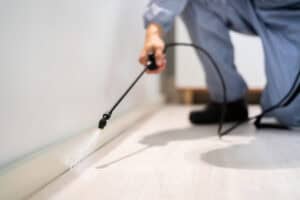 Not every sound in the loft means there is an infestation, but repeated scratching, fresh droppings, damaged insulation or visible entry points should be investigated. Professional assistance is particularly useful when animals are moving through inaccessible areas, when the species is uncertain or when activity continues despite basic preventative measures. At Youngs Pest Control, our approach begins with inspecting the affected areas and identifying the pest. Where treatment is necessary, we recommend an appropriate method based on the species, the extent of activity, and the conditions within the property.
We also provide practical advice on potential entry points and prevention measures that may help reduce the likelihood of future problems. For further information about professional pest management, visit the National Pest Technicians Association.
Frequently Asked Questions
What is the best way to prevent pests in a loft?
Inspect roof features regularly, repair suitable entry points, maintain ventilation and check for signs of activity. Professional proofing may be necessary where openings are difficult to access or animals are already present.
What animals commonly enter UK lofts?
Mice, rats, grey squirrels and certain birds may enter loft spaces. Bats can also use roofs for roosting, but they are legally protected and require specialist consideration.
Why do I hear scratching noises in my loft at night?
Scratching at night may indicate mice or rats, although other causes are possible. The timing and location of the noise can provide clues, but further evidence is needed for reliable identification.
Can squirrels damage loft insulation?
Yes. Grey squirrels may disturb, compress or gather insulation while moving through a roof space or building nests. They can also gnaw other materials, including electrical cables.
Should I block holes in my roof to keep pests out?
Suitable proofing can help prevent entry, but first establish whether animals are already inside. Blocking an occupied entrance may trap animals or interfere with legally protected wildlife.
Do ultrasonic pest repellers work in lofts?
There is limited reliable evidence that ultrasonic devices provide effective long-term control of rodent infestations. Suitable proofing and professional treatment where necessary are generally more dependable.
How often should I inspect my loft for pests?
Inspect accessible areas periodically, particularly after severe weather or when you notice unusual noises. Additional checks may be useful before storing belongings or carrying out roof maintenance.
Are bats in my loft considered pests?
Bats are protected wildlife and should not be treated like ordinary household pests. If you suspect a bat roost, seek specialist advice before disturbing the area or carrying out proofing.
When should I call a professional pest controller?
Contact a professional if you notice repeated animal activity, fresh droppings, damaged insulation or signs of pests entering through the roof. Early investigation can help identify the cause before further damage occurs.
Protecting Your Loft Against Future Pest Problems
Keeping pests out of your loft involves more than sealing the occasional gap. Maintaining roof features, checking for damage and recognising early signs of activity can all help reduce the likelihood of an infestation.
Regular inspections are particularly useful because loft spaces are often left undisturbed for long periods. Identifying a problem early can help prevent damage to insulation, wiring and stored belongings. For wider advice on protecting your property, read our home pest prevention guide. Youngs Pest Control provides professional pest control services across Greater Manchester, Cheshire and Merseyside. Our family-run business has over 35 years of experience helping homeowners and businesses identify pest problems, arrange suitable treatments and take practical steps towards preventing future activity.
If you’ve noticed scratching noises, droppings or signs of pests in your loft, contact Youngs Pest Control on 0161 776 9832 or 07845 815 261 for professional assistance.