
How Can We Help?
Pest Prevention for Food Facilities: Protecting Food Safety
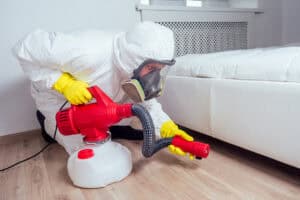 Pest prevention is an essential part of maintaining food safety in commercial kitchens, food production facilities, warehouses and catering businesses. Rats, mice, cockroaches, flies and stored-product insects can contaminate ingredients, damage packaging and create serious hygiene concerns when they gain access to food-handling areas.
Even well-maintained premises can experience pest problems, particularly where frequent deliveries, food waste and warm equipment provide opportunities for pests to enter and survive. An infestation can result in wasted stock, disrupted operations, customer complaints and potential enforcement action.
At Youngs Pest Control, our family-run business has over 35 years of experience in pest management. This guide explains how food businesses can reduce pest risks through regular inspections, suitable proofing, good hygiene and professional pest control where necessary.
Why Pest Prevention Matters in the Food Industry
Pests present particular risks in food environments because they can transfer contamination onto ingredients, preparation surfaces and packaging. Rodents may contaminate stock with droppings and urine, while cockroaches and flies can move between waste areas and food-handling spaces.
An infestation can also affect a business’s reputation and lead to expensive cleaning, stock disposal or temporary disruption. Food manufacturers, restaurants, bakeries and storage facilities all need suitable procedures for identifying pest activity and responding before contamination becomes widespread.
Pest Control and UK Food Safety Regulations
Food businesses in the UK must take appropriate measures to prevent contamination and control pests. Food hygiene legislation requires suitable procedures to prevent pests gaining access to areas where food is handled, prepared or stored.
Pest management should form part of a business’s food safety procedures, including its Hazard Analysis and Critical Control Point (HACCP) arrangements where applicable. Businesses may also need to meet additional requirements under customer audits or food safety certification schemes such as BRCGS.
Maintaining inspection records, reporting pest sightings and documenting corrective actions can help demonstrate that risks are being managed. For official guidance, visit the Food Standards Agency.
Effective Pest Prevention Methods for Food Facilities
Pest Proofing and Building Maintenance
Preventing pests from entering the premises is one of the most important parts of food facility pest management. Inspect external doors, loading bays, drainage areas and openings around pipework for gaps that rodents or insects could exploit.
Suitable door seals, fly screens and pest-resistant materials can help reduce access. Damaged doors, broken drains and deteriorating building materials should be repaired promptly, while essential ventilation and fire safety requirements must be maintained.
Regular Inspections and Pest Monitoring
Routine inspections help identify pest activity before it becomes established. Particular attention should be given to food storage rooms, preparation areas, waste facilities, drains and spaces behind equipment.
Signs such as droppings, gnaw marks, damaged packaging, insect activity and unusual smells should be recorded and investigated. Monitoring equipment may also be appropriate, depending on the facility and its level of risk.
Inspection frequency should reflect the size of the premises, the food handled and any previous pest problems rather than following a single schedule for every business.
Food Waste Management
Food waste can attract rats, mice, flies and cockroaches when it is left exposed or allowed to accumulate. Businesses should remove waste regularly, clean spillages promptly and maintain suitable waste storage areas.
Internal and external bins should have properly fitting lids, with waste collection arrangements appropriate for the amount generated. Bin stores should also be inspected for pest activity, particularly where they are close to entrances or loading bays.
Inspecting Incoming Food Deliveries
Pests can sometimes be introduced through incoming ingredients, packaging and other deliveries. Staff should check goods for damaged packaging, droppings, insects, webbing or other evidence of contamination before accepting them into storage.
Suspected infested or contaminated products should be isolated and assessed according to the business’s food safety procedures. Good stock rotation and suitable storage conditions can also help reduce the risk of stored-product insect infestations.
Maintaining Clean Food Preparation Areas
Regular cleaning removes food residue, grease and other materials that can attract pests. Particular attention should be given to areas beneath cooking equipment, behind refrigeration units, around sinks and inside difficult-to-access storage spaces.
Cleaning schedules should clearly identify responsibilities and include equipment that is not moved during normal daily cleaning. Leaks and standing water should also be addressed because moisture can encourage cockroaches and other pests.
Good hygiene is essential, but it should be combined with proofing and monitoring rather than treated as a complete solution on its own.
Staff Training and Reporting Procedures
Employees play an important role in preventing infestations because they may notice pest activity during cleaning, deliveries or routine food preparation.
Staff should understand the warning signs of rodents and insects, how to report concerns and what to do when potentially contaminated food is discovered. A clear reporting procedure allows management to investigate promptly and take appropriate corrective action.
Integrated Pest Management for Food Businesses
Integrated Pest Management (IPM) combines prevention, inspection, monitoring and targeted treatment to control pest risks. Rather than relying entirely on pesticides, it focuses on understanding how pests enter the building and what allows them to survive.
In food facilities, this may involve maintaining door seals, improving waste management, checking deliveries and monitoring vulnerable areas. Where an infestation is identified, professional treatment should be selected according to the pest, the extent of activity and the risks associated with food handling.
Any pesticide use must be appropriate for the environment and carried out in accordance with relevant product authorisations and safety requirements. Treatments should never create an additional contamination risk to food or food-contact surfaces.
Why Professional Pest Control Matters for Food Facilities
Pest problems in food businesses can develop in concealed locations, particularly around drainage systems, equipment voids, stockrooms and service areas. Identifying the source is important because treating visible pests alone may not resolve the infestation.
Professional pest management can help businesses assess risks, identify entry points and introduce suitable monitoring and control measures. At Youngs Pest Control, we provide inspections, targeted treatments and practical prevention advice based on the conditions within each premises.
For further advice on commercial pest risks, see our guide to pest control for food businesses.
Frequently Asked Questions
What pests are most common in food facilities?
Rats, mice, cockroaches, flies and stored-product insects are among the pests that may affect food premises. The risks depend on the products handled, building condition and hygiene arrangements.
Is pest control a legal requirement for food businesses?
UK food businesses must have suitable measures to prevent and control pests. The exact arrangements depend on the premises and its food safety risks.
How often should food facilities have pest inspections?
Inspection frequency should reflect the facility’s size, activities, pest history and level of risk. Higher-risk premises may require more frequent monitoring.
What should staff do if they discover pests?
Staff should report the activity immediately, record the location and protect potentially affected food or stock. Management should investigate the problem and arrange appropriate corrective action.
Can pest control treatments be carried out around food?
Yes, where suitable methods and precautions are used. Treatments must be appropriate for food-handling environments and should not contaminate ingredients, equipment or food-contact surfaces.
Professional Pest Control for Food Businesses
Effective pest prevention in food facilities requires regular inspections, good housekeeping, suitable building maintenance and prompt action when signs of activity appear. These measures help protect food safety, reduce stock losses and minimise disruption to daily operations.
Youngs Pest Control provides professional pest management for restaurants, commercial kitchens, food production premises and storage facilities across Greater Manchester, Cheshire and Merseyside.
With over 35 years of experience, our family-run business provides practical advice and targeted treatments to help food businesses manage pest risks.
If you’ve noticed signs of pests in your food facility, contact Youngs Pest Control on 0161 776 9832 or 07845 815 261 for professional assistance.