
How Can We Help?
How Many Times Can a Wasp Sting?
A wasp can sting multiple times during a single encounter because its stinger does not normally become lodged in human skin. Unlike honey bees, which usually lose their stinger after stinging a person, wasps can withdraw theirs and use it again.
There is no fixed number of times a wasp can sting. A single wasp may deliver several stings in quick succession, particularly if it becomes trapped, handled or feels threatened. Although most wasp stings cause temporary pain and swelling, repeated stings can increase the amount of venom entering the body.
Why Can Wasps Sting More Than Once?
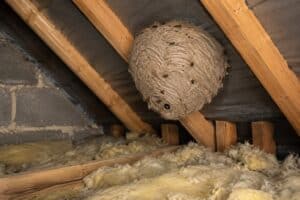 Wasps have a relatively smooth stinger that allows them to pierce the skin, inject venom and withdraw it without becoming trapped. This means they can defend themselves repeatedly without suffering the injury commonly associated with a honey bee sting.
Honey bees have a more heavily barbed stinger that often becomes embedded in human skin. When the bee pulls away, the stinging apparatus can detach from its body, usually causing the bee to die. Wasps do not normally experience this problem, allowing them to sting several times if necessary.
Will a Wasp Sting You for No Reason?
Wasps do not generally seek out people to sting them. Most stings occur when a wasp feels threatened, becomes trapped against the skin or is disturbed near its nest. During summer, wasps may investigate outdoor food, sugary drinks and bins, bringing them into closer contact with people. Swatting at a wasp or accidentally trapping it against your body can provoke a defensive response.
Wasps are particularly protective of their nests. Disturbing an active colony can cause several workers to emerge and defend the area, increasing the risk of receiving multiple stings.
Are Multiple Wasp Stings Dangerous?
A single wasp sting usually causes a sharp pain followed by redness, itching and localised swelling. These symptoms commonly improve within a few days, although some people experience more noticeable reactions.
Receiving several stings can result in greater pain and swelling because more venom has been introduced into the body. Very large numbers of stings can cause serious illness through the combined effects of the venom, even in someone who is not allergic.
The severity of a reaction depends on several factors, including the number of stings, the person’s health and whether they have an allergy to wasp venom.
Can a Wasp Sting Cause Anaphylaxis?
Yes. Although uncommon, wasp stings can trigger anaphylaxis, a severe allergic reaction that requires immediate medical treatment. This can happen after a single sting, so the number of stings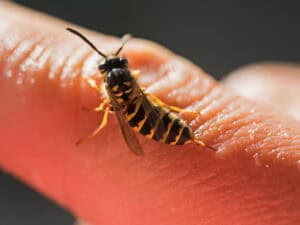 is not always an indication of how serious the reaction may become.
Warning signs include difficulty breathing, swelling of the tongue or throat, sudden dizziness, confusion or collapse. Call 999 immediately if someone shows signs of anaphylaxis. If they have been prescribed an adrenaline auto-injector, it should be used according to their emergency treatment instructions.
Someone who has previously experienced a severe reaction to a wasp sting should seek medical advice about managing future risks.
What Should You Do After Being Stung by a Wasp?
If you’ve been stung, move calmly away from the area, particularly if you are close to an active nest. This reduces the chance of being stung again by the same wasp or other workers defending the colony. Wash the affected area with soap and water, then apply a cold compress to help reduce pain and swelling. Avoid scratching the sting, as this can irritate the skin and increase the risk of infection.
Unlike honey bee stings, wasp stings do not normally leave a stinger behind. However, if one is visible, remove it carefully without squeezing the venom sac.
A pharmacist can recommend suitable treatments for itching and discomfort. Seek medical advice if swelling becomes severe, symptoms worsen or you have been stung several times. Stings inside the mouth or throat also require urgent medical assessment because swelling may affect breathing.
For further guidance, visit the NHS advice on insect bites and stings.
What Should You Do if You Find a Wasp Nest?
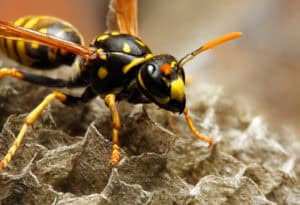 If you discover an active wasp nest in your loft, shed, garden or wall cavity, avoid disturbing it. Wasps are more likely to become defensive when their colony is threatened, and attempting to remove or block a nest can result in multiple stings.
Keep children and pets away from the immediate area and avoid spraying household insecticides directly into a nest without appropriate training and equipment.
Youngs Pest Control provides professional wasp nest removal services for residential and commercial properties. Our technicians can assess the nest location and determine an appropriate treatment approach while reducing unnecessary disturbance.
Need Help With a Wasp Nest?
Although a wasp can sting repeatedly, most encounters do not result in serious injury. The greatest concern is usually disturbing an established nest, where several wasps may respond defensively.
Youngs Pest Control is a family-run business with over 35 years of experience, providing professional wasp control across Greater Manchester, Cheshire and Merseyside.
If you’ve discovered an active wasp nest around your property, contact Youngs Pest Control on 0161 776 9832 or 07845 815 261 for professional advice.