
How Can We Help?
Where do bedbugs typically hide?
Bedbugs are known for their knack for hiding in all sorts of places, making them tough to spot and get rid of. These night-time pests love to hang out where we sleep or rest, drawn by the warmth and carbon dioxide we give off. You'll often find them in mattresses, box springs, bed frames, and headboards—basically, anywhere they can easily 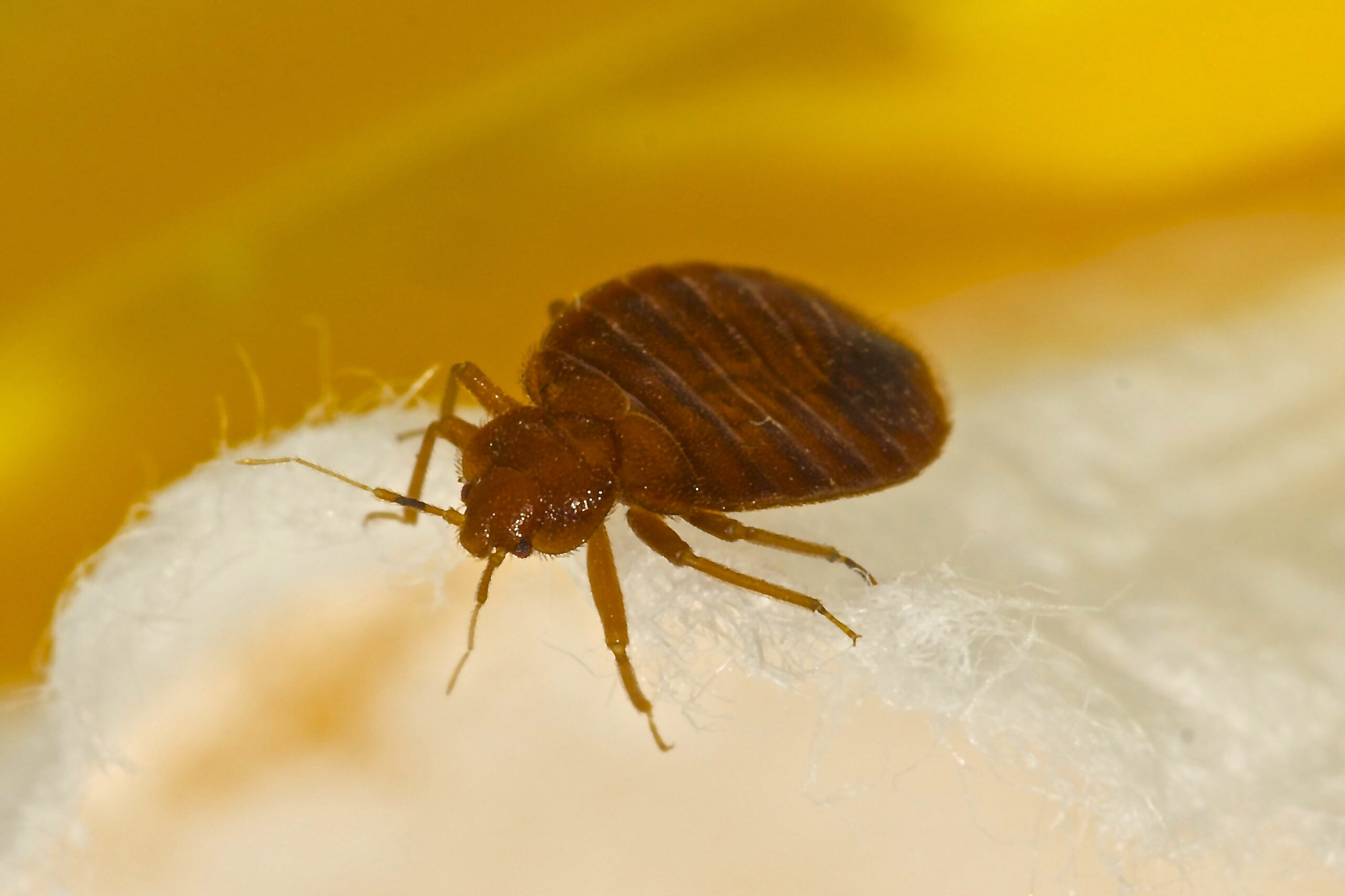 reach their meal. But bedbugs don't stop there; they can also hide in the seams of couches and chairs, between cushions, in curtain folds, and in the nooks and crannies of furniture and walls. Electrical outlets, picture frames, and wallpaper edges are also good hiding spots for these sneaky bugs. Bedbugs can fit into spaces as thin as a credit card, so it's crucial to check all potential hiding spots during an infestation. Frequent monitoring and early detection are key to managing and controlling bedbug populations. Their elusive nature and quick reproduction can lead to a widespread infestation quickly if not tackled early. By understanding where they hide and conducting thorough inspections, you can lower the risk of infestation and come up with effective treatment strategies.
Do bedbugs only hide in the bedroom, or can they be found elsewhere in the home?
Bedbugs, despite their name, do not restrict themselves to the bedroom and can be found in various locations throughout the home. While they are most commonly associated with beds due to their need for close proximity to their human hosts, bedbugs are highly adaptable and can inhabit a wide range of environments. They are adept at finding secluded spots, which can be found in cracks in walls, behind baseboards, under loose wallpaper, and inside electrical outlets and light switches. Bedbugs can also take refuge in personal belongings such as clothing, luggage, backpacks, and even books. This versatility allows them to spread quickly throughout a home once they are introduced. Public spaces are not immune to bedbug infestations either; they can be found in offices, retail stores, movie theaters, and public transportation, where they hitch rides on clothing and bags. Because of their small size and ability to squeeze into tight spaces, bedbugs are difficult to detect and can easily go unnoticed. Comprehensive inspection and monitoring are essential in identifying and addressing bedbug infestations. Implementing preventative measures, such as reducing clutter, regularly inspecting and cleaning potential hiding spots, and being cautious with second-hand furniture and personal belongings, can help manage the risk.
Are there certain materials that bedbugs prefer to hide in?
Bedbugs are opportunistic pests that will exploit a variety of materials to find suitable hiding places, but they do exhibit certain preferences based on their survival needs. Bedbugs favor materials that offer darkness, warmth, and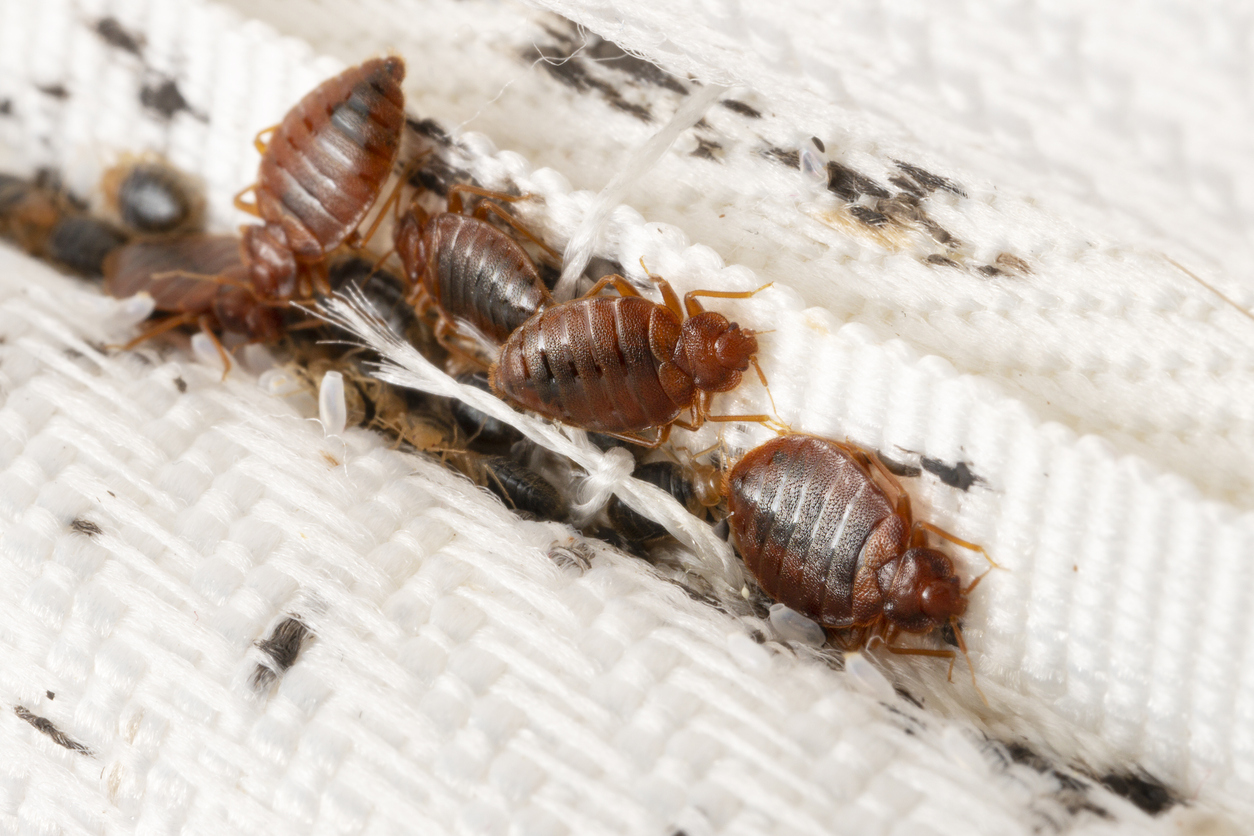 close proximity to their human hosts. Fabric surfaces, such as those found in mattresses, upholstered furniture, and bedding, are particularly attractive to bedbugs because the weave of the material provides numerous small crevices for them to hide in. The seams, folds, and tufts of these materials offer ideal shelter, protecting bedbugs from light and making it easier for them to stay hidden during the day. In addition to fabric, bedbugs also prefer wood and paper surfaces, which are common in furniture and household items. Wooden bed frames, nightstands, and dressers have joints and cracks that provide excellent hiding spots. Wallpaper and the edges of carpeting are also favored by bedbugs due to the narrow gaps they present. Although bedbugs are less likely to infest metal or plastic surfaces directly, these materials are often part of the broader environment they inhabit, such as the plastic casings of electrical outlets or metal bed frames, where bedbugs may hide in the crevices and screws. Importantly, bedbugs do not burrow into materials like some other pests; they remain on the surface or within shallow recesses. The key to their preference is access to narrow, dark spaces that offer protection and proximity to blood meals. This adaptability to a range of materials underscores the significance of inspections and targeted treatments across different household items and structures to effectively manage and eradicate bedbug infestations.
How do I know if I've found an actual bedbug or something else?
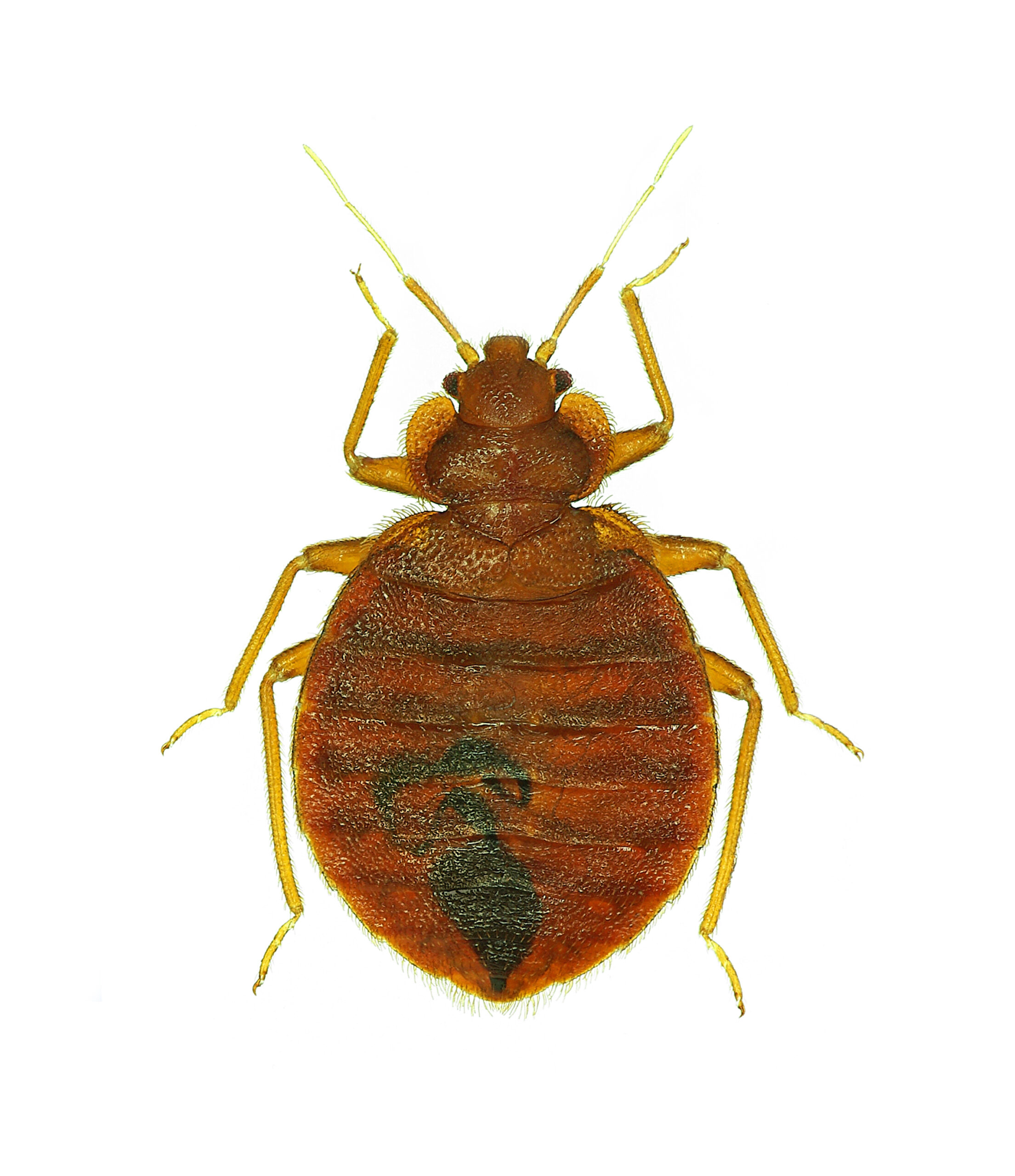
Identifying a bedbug can be challenging due to its small size and resemblance to other insects, but there are specific characteristics that can help distinguish them from other pests. Adult bedbugs are typically about 5-7 millimeters long; this is about the size of an apple seed, with flat bodies shaped like ovals that are reddish-brown in color. After feeding, their bodies swell and become more elongated and darker. Bedbug nymphs, or juveniles, are smaller and lighter in color, often translucent, making them more difficult to spot. Bedbug eggs are tiny, white, and about the size of a pinhead, often found in clusters in hidden areas.
One key feature of bedbugs is their six legs and two antennae, with the presence of small, wing-like structures called vestigial wings that do not enable flight. Unlike fleas, which are also small and can jump, bedbugs do not have the ability to jump or fly. Additionally, bedbugs have a characteristic musty smell that is often described as smelling sweet or like coriander, especially in larger infestations.
 Finding evidence of bedbug activity can also help confirm their presence. Look for dark, rust-colored spots on mattresses, sheets, and furniture, which are bedbug excrement. You may also find shed skins from their molting process and small blood stains on bedding from crushed bedbugs after feeding. Live bedbugs are typically found in the seams of mattresses, within box springs, in cracks and crevices of bed frames, and behind baseboards.
To differentiate bedbugs from other insects such as carpet beetles or cockroach nymphs, it's important to closely examine the physical characteristics and habitat. If uncertain, capturing a specimen and consulting with our pest control professional here at Youngs Pest Control can provide a definitive identification and appropriate course of action for treatment.