
How Can We Help?
What Damage Do Silverfish Cause?
Silverfish are small, wingless insects that can damage books, wallpaper, clothing and other household belongings. Although they are not considered dangerous to humans, their feeding habits can become a problem when they establish themselves in damp, undisturbed areas of a property.
Silverfish feed on materials containing starches, sugars and other carbohydrates, which explains why paper, adhesives and certain fabrics are particularly vulnerable. The damage usually develops gradually, and homeowners may not notice it until they discover irregular marks, small holes or deteriorating materials.
Can Silverfish Damage Books and Paper?
 Books, documents and stored paperwork are among the materials silverfish may damage. These insects can feed on paper surfaces, bookbinding adhesives and starch-based coatings, particularly when items are stored in humid conditions.
The damage often appears as irregular surface grazing, small holes or worn patches. In books, silverfish may attack the binding or outer pages, while stored documents can develop areas where the surface has been scraped away.
Old books, cardboard boxes and paperwork kept in damp cupboards, lofts or storage rooms can be particularly vulnerable because silverfish can feed without being disturbed.
Do Silverfish Eat Clothing and Fabrics?
Silverfish can damage certain fabrics, although they do not feed on clothing in the same way as clothes moth larvae. They are particularly attracted to textiles containing starch-based finishes, food stains or other suitable organic material.
Cotton, linen and some other fabrics may develop small, irregular holes or patches of surface damage when silverfish feed on them. Clothing stored for long periods in damp wardrobes or drawers can be more susceptible, especially when the surrounding conditions encourage silverfish activity.
However, finding holes in clothing does not automatically mean silverfish are responsible. Clothes moths and carpet beetle larvae are also common causes of textile damage, so identifying the insect is important before arranging treatment.
Can Silverfish Damage Wallpaper?
Wallpaper is another material that silverfish may attack, particularly where starch-based paste has been used during installation. The insects can feed on the adhesive beneath the paper, sometimes contributing to small areas of surface damage or loose wallpaper.
You may notice irregular marks around wallpaper edges, seams or areas where the paper has already started lifting. Silverfish are especially likely to be found in rooms affected by condensation, poor ventilation or persistent dampness.
However, peeling wallpaper is more commonly associated with moisture problems or adhesive failure. Silverfish should only be considered responsible when there is supporting evidence of insect activity.
Can Silverfish Damage Photographs and Artwork?
Photographs, prints and other paper-based items can be vulnerable when they contain suitable adhesives, coatings or backing materials. Silverfish may scrape these surfaces while feeding, leaving small irregular marks that can be difficult to repair.
This can be particularly concerning when valuable photographs, old documents or sentimental items are stored in damp conditions. Unlike damage to ordinary cardboard or packaging, deterioration affecting photographs and artwork may be permanent.
Keeping important documents and photographs in suitable protective storage can help reduce their exposure to insects and excess moisture.
Can Silverfish Damage Food Packaging?
Silverfish may feed on paper and cardboard food packaging, particularly when it contains starch-based adhesives. They can also be attracted to dry foods such as flour, cereals and other products containing carbohydrates.
Thin paper packaging may develop small feeding marks, although silverfish are not usually capable of chewing through sturdy plastic or glass containers.
If silverfish or insect debris are discovered inside food packaging, the affected product should be discarded. Storing dry foods in sealed containers can help prevent insects from accessing them.
What Does Silverfish Damage Look Like?
Silverfish damage is not always easy to recognise because the insects often feed slowly and remain hidden during daylight hours. Unlike rodents, they do not usually leave large gnaw marks or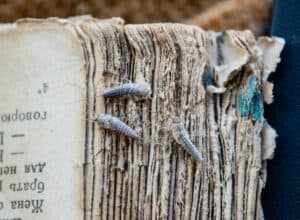 obvious structural damage.
Common signs include irregular surface grazing on paper, small holes in vulnerable materials, damaged adhesives and patches where the outer layer of a document or fabric has been removed. You may also discover shed skins or tiny dark droppings near affected belongings.
Because other household pests can cause similar damage, finding a live silverfish or other evidence of activity is useful when identifying the source.
Can Silverfish Cause Structural Damage?
Silverfish are not considered structural pests. They do not eat timber in the same way as wood-boring insects, and they are not known for damaging electrical wiring, plumbing or the main structural components of buildings.
Their damage is generally limited to vulnerable household materials and stored belongings. However, repeated sightings may indicate excess moisture within the property, which can contribute to other maintenance problems if left unresolved.
Addressing damp conditions is therefore important, even when the silverfish themselves are causing relatively minor damage.
How Can You Protect Your Belongings From Silverfish?
Reducing humidity is one of the most effective ways to make a property less suitable for silverfish. Improving ventilation, repairing leaking pipes and managing condensation can help limit the damp conditions these insects prefer.
Books, photographs and important documents should be kept in dry storage areas, preferably away from damp walls and floors. Vulnerable clothing and textiles can also be protected by using suitable sealed storage containers, particularly when items are not used regularly.
Regular vacuuming around skirting boards, beneath furniture and inside cupboards can help remove debris and reduce accessible food sources. However, silverfish hiding within cracks and concealed spaces may continue to survive despite routine cleaning.
When Should You Consider Professional Silverfish Control?
Finding an occasional silverfish does not necessarily mean your belongings are at serious risk. However, repeated sightings, increasing numbers or visible damage to stored materials may suggest that an infestation has become established.
Youngs Pest Control can help identify affected areas and determine whether professional treatment is necessary. Our approach considers both the insects themselves and the environmental conditions that may be allowing them to thrive.
For more information about their impact on people and animals, read our guide on whether silverfish are harmful to humans or pets.
Need Help With Silverfish in Your Property?
Silverfish may be small, but persistent activity can lead to unwanted damage to books, wallpaper, fabrics and stored belongings. Identifying the source early can help prevent further deterioration.
Youngs Pest Control is a family-run business with over 35 years of experience, providing professional pest control across Greater Manchester, Cheshire and Merseyside.
If you’re finding silverfish or unexplained damage to household materials, contact Youngs Pest Control on 0161 776 9832 or 07845 815 261 for professional advice.