
How Can We Help?
Can You Get Sick From Bed Bug Bites?
Bed bug bites can be extremely uncomfortable, particularly when you wake up with several itchy marks and aren’t sure what’s causing them. Although bed bugs feed on human blood, they are not known to transmit diseases to people through their bites. However, this doesn’t mean their bites are completely harmless.
Some people experience little or no reaction, while others develop intense itching, swelling or irritated skin. Repeated bites can also affect sleep and wellbeing, especially when an infestation continues over several weeks.
Can Bed Bug Bites Cause Illness?
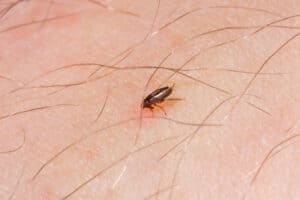 Bed bugs are not considered a significant source of infectious diseases in humans. Unlike mosquitoes and certain ticks, they are not known to spread illnesses through normal feeding.
The main health concerns come from the body’s reaction to their saliva and the effects of repeated scratching. When a bed bug feeds, it introduces saliva containing substances that help it take a blood meal. This can trigger an immune response, resulting in redness, itching and raised marks on the skin.
Reactions vary considerably between individuals. One person may develop noticeable welts, while another sleeping in the same room may have no visible symptoms.
Can Bed Bug Bites Become Infected?
One of the more common complications of bed bug bites is a secondary skin infection. Persistent itching can make it difficult to avoid scratching, particularly during the night. When the skin becomes broken, bacteria can enter and cause an infection.
Warning signs include increasing redness, warmth, swelling, pain or pus around the affected area. Conditions such as impetigo or cellulitis can occasionally develop when damaged skin becomes infected.
If a bite becomes increasingly painful, starts producing discharge or is accompanied by a fever, seek medical advice. Keeping the affected skin clean and avoiding scratching can help reduce the risk of complications.
Can You Have an Allergic Reaction to Bed Bug Bites?

Yes, some people are more sensitive to bed bug saliva than others. Mild reactions usually involve itchy red bumps or localised swelling, but certain individuals may develop larger welts, hives or more extensive skin irritation.
The reaction may not appear immediately after being bitten. In some cases, visible marks develop several hours or even days later, making it difficult to determine exactly when the bites occurred.
Severe allergic reactions are very uncommon, but they require immediate attention. If someone develops difficulty breathing, swelling of the tongue or throat, or signs of collapse, call 999 for emergency medical assistance.
Can Repeated Bed Bug Bites Affect Your Health?
Living with an ongoing bed bug infestation can be physically and emotionally exhausting. Even when bites are relatively mild, the anticipation of being bitten during sleep can make it difficult to relax or get a proper night’s rest.
Over time, disrupted sleep may contribute to tiredness, poor concentration and increased stress. Some people also become anxious about sleeping in their bedroom or worry about the infestation spreading to other areas of the home.
These experiences can have a genuine effect on wellbeing, although the severity varies from person to person. Addressing the infestation promptly can help reduce further bites and the stress associated with continued activity.
Can Bed Bug Bites Cause Anaemia?
Anaemia caused by bed bugs is extremely rare, but it has been reported in cases involving exceptionally heavy and prolonged infestations. Because bed bugs feed on blood, repeated feeding by very large numbers of insects can potentially contribute to blood loss.
This is not something most people with bed bug bites need to worry about. However, anyone experiencing unusual weakness, persistent fatigue or other symptoms of anaemia should seek medical assessment rather than assuming bed bugs are responsible.
How Can You Relieve Bed Bug Bites?
Most bed bug bites improve without medical treatment, although itching and redness can sometimes persist for several days or longer. Gently washing the affected area and applying a cool compress may help reduce discomfort.
Avoid scratching the bites, as this can damage the skin and increase the risk of infection. A pharmacist can advise on suitable treatments for itching, including antihistamines or appropriate skin creams.
The NHS guidance on bedbugs provides further information about symptoms and managing bites.
If your symptoms are severe, continue worsening or show signs of infection, contact a healthcare professional.
How Can You Tell if Bed Bugs Are Causing the Bites?
Bed bug bites can resemble those caused by fleas, mosquitoes and other insects, so skin marks alone cannot reliably confirm an infestation.
Look for additional evidence around your sleeping area, including small dark spotting on mattress seams, shed skins, live insects or blood marks on bedding. Bed bugs commonly hide around bed frames, headboards and nearby cracks, emerging to feed when a person is resting.
If you suspect bed bugs, inspecting these areas is more useful than relying on the appearance or pattern of bites alone.
When Should You Arrange Professional Bed Bug Control?
Treating itchy bites can relieve discomfort, but it will not stop further bites if bed bugs remain inside the property. These insects can hide in narrow gaps around beds, furniture and surrounding structures, making established infestations difficult to eliminate through ordinary cleaning.
Youngs Pest Control provides professional bed bug treatments to help identify affected areas and develop an appropriate treatment plan. Depending on the extent of the infestation, follow-up visits may be necessary to monitor activity and complete the treatment process.
Need Help With Bed Bugs in Your Home?
Bed bug bites are not known to spread diseases, but persistent itching, skin irritation and disturbed sleep can make an infestation difficult to live with. Identifying the problem early and arranging effective treatment can help prevent further discomfort.
Youngs Pest Control is a family-run business with over 35 years of experience, providing professional pest control across Greater Manchester, Cheshire and Merseyside.
If you’re concerned about bed bugs in your property, contact Youngs Pest Control on 0161 776 9832 or 07845 815 261 for professional advice.